As a supplier of building hoist lifts, I've seen firsthand the importance of ensuring these machines run smoothly. Building hoist lifts are crucial in construction projects, whether it's a small residential building or a large commercial skyscraper. They're used to transport both personnel and materials, so their proper operation is not just about efficiency but also about safety. In this blog, I'll share some key tips on how to ensure the smooth operation of a building hoist lift.
Regular Maintenance Checks
One of the most important things is to conduct regular maintenance checks. Just like a car needs an oil change and tune - up, a building hoist lift requires routine inspections. These checks should cover all the major components of the lift, such as the motor, cables, brakes, and safety devices.
The motor is the heart of the hoist lift. It powers the entire operation, so it's essential to keep it in good condition. Check for any signs of overheating, unusual noises, or vibration. If you notice any of these issues, it could be a sign of a problem with the motor's bearings, electrical connections, or cooling system. Regularly lubricate the moving parts of the motor to reduce friction and wear.
Cables are another critical component. They bear the weight of the load being lifted, so any damage to the cables can be extremely dangerous. Inspect the cables for fraying, corrosion, or kinks. Replace any damaged cables immediately. Also, make sure the cables are properly tensioned. If they're too loose, it can cause the lift to move unevenly; if they're too tight, it can put excessive stress on the motor and other components.
Brakes are the safety net of the hoist lift. They need to be in perfect working condition at all times. Test the brakes regularly to ensure they can stop the lift quickly and smoothly. Check the brake pads for wear and replace them if they're too thin. Adjust the brake settings as needed to maintain the proper braking force.
Safety devices, such as limit switches and emergency stop buttons, are there to protect the operators and the load. Test these devices regularly to make sure they're functioning correctly. A malfunctioning limit switch could cause the lift to over - travel, while a non - working emergency stop button could prevent quick action in case of an emergency.
Operator Training
Another key factor in ensuring the smooth operation of a building hoist lift is proper operator training. A well - trained operator knows how to use the lift safely and efficiently. They understand the controls, the safety procedures, and how to handle different types of loads.
When training operators, start with the basics. Teach them how to start and stop the lift, how to operate the controls for up and down movement, and how to use the safety devices. Make sure they understand the load capacity of the lift and the importance of not overloading it. Overloading can not only damage the lift but also pose a significant safety risk.
Train operators on how to perform pre - shift inspections. Before starting work each day, they should check the lift for any visible damage, make sure the controls are working properly, and test the safety devices. This simple step can prevent many potential problems.
In addition to technical training, also focus on safety awareness. Teach operators about the hazards associated with using a building hoist lift and how to avoid them. For example, they should always wear appropriate safety gear, such as hard hats and safety harnesses. They should also be aware of the proper procedures for entering and exiting the lift.
Quality Parts and Components
Using high - quality parts and components is essential for the smooth operation of a building hoist lift. Inferior parts may be cheaper initially, but they can lead to frequent breakdowns and costly repairs in the long run.
As a supplier, I always recommend using genuine parts from reliable manufacturers. These parts are designed to fit the lift perfectly and meet the required safety and performance standards. For example, when it comes to the motor, using a high - quality motor with a good reputation can ensure reliable operation and a longer lifespan.
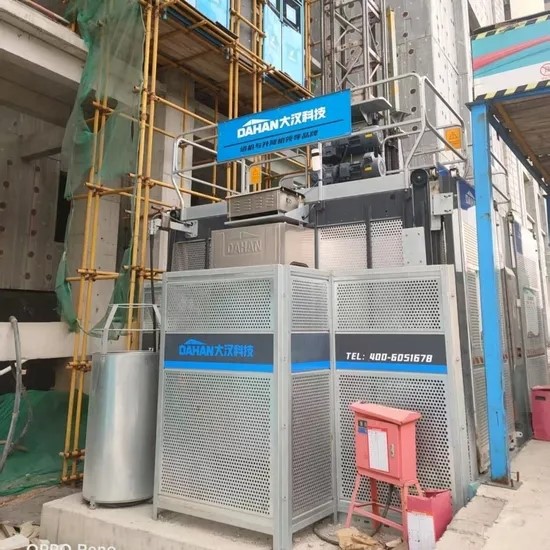
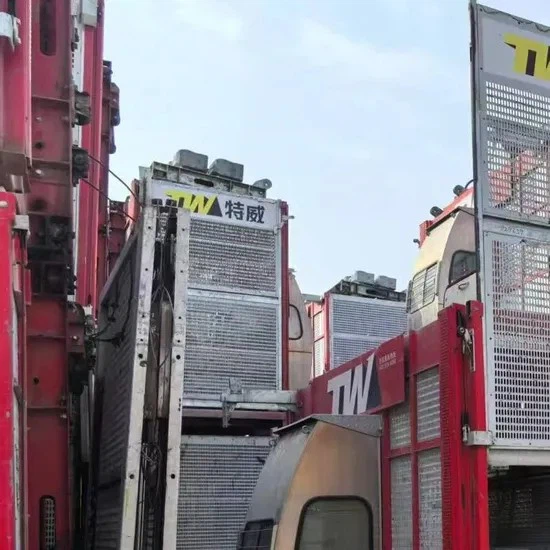
The same goes for cables, brakes, and other components. Invest in quality parts, and you'll save money and headaches in the long term. You can find a wide range of high - quality building hoist lift parts on our website. We offer Construction Goods Hoist, Construction Personnel Hoist, and Building Material Hoist, all of which are made with top - notch components.
Environmental Considerations
The environment in which the building hoist lift operates can also affect its performance. Extreme temperatures, high humidity, and dusty conditions can all take a toll on the lift.
In hot weather, the motor and other components may overheat more easily. Make sure the lift has proper ventilation and cooling systems. If necessary, install additional fans or cooling devices to keep the temperature under control.
In cold weather, the lubricants in the lift may thicken, which can affect the movement of the parts. Use lubricants that are suitable for cold temperatures. Also, check the cables and other components for signs of freezing or cracking.
High humidity can cause corrosion of the metal parts. Regularly clean and lubricate the components to prevent rust. In dusty environments, install filters to prevent dust from entering the motor and other sensitive parts.
Monitoring and Record - Keeping
Finally, monitoring the performance of the building hoist lift and keeping detailed records is crucial. By monitoring the lift's operation, you can detect any early signs of problems and take corrective action before they become major issues.
Use sensors and monitoring systems to track parameters such as the speed of the lift, the load it's carrying, and the temperature of the motor. Analyze this data regularly to identify any trends or anomalies. For example, if you notice a gradual increase in the motor temperature over time, it could be a sign of a problem with the cooling system.
Keep records of all maintenance checks, repairs, and any incidents or accidents involving the lift. These records can be used to track the history of the lift, plan future maintenance, and demonstrate compliance with safety regulations.
In conclusion, ensuring the smooth operation of a building hoist lift requires a combination of regular maintenance, proper operator training, the use of quality parts, consideration of the environment, and effective monitoring and record - keeping. By following these tips, you can minimize downtime, reduce the risk of accidents, and extend the lifespan of your building hoist lift.
If you're in the market for a building hoist lift or need more information about our products and services, don't hesitate to reach out. We're here to help you find the right solution for your construction project.
References
- Construction Equipment Handbook: A comprehensive guide to the operation and maintenance of construction equipment, including building hoist lifts.
- Occupational Safety and Health Administration (OSHA) standards for building hoist lifts.
- Manufacturer's manuals and technical documentation for building hoist lifts.