

Hey there! I'm a supplier of Jack Up Tower Cranes, and today I wanna chat about how these bad boys move horizontally. It's a pretty cool process, and understanding it can give you a better idea of why our cranes are a great choice for your construction projects.
First off, let's talk about what a Jack Up Tower Crane is. It's a type of crane that's commonly used in construction sites. These cranes are known for their tall, vertical masts and long booms that can lift heavy loads. One of the key features of a Jack Up Tower Crane is its ability to move horizontally, which is super handy when you need to cover a large area on a construction site.
There are a few different ways a Jack Up Tower Crane can move horizontally. One of the most common methods is through a rail - mounted system. In this setup, the base of the crane sits on a set of rails that are laid out on the ground. The rails are usually made of steel and are firmly anchored to the ground to provide stability.
The crane has wheels or rollers that fit onto these rails. A motorized drive system is connected to these wheels or rollers. When the operator wants to move the crane horizontally, they simply activate the drive system. The motor powers the wheels, causing them to roll along the rails. This allows the crane to move smoothly and precisely in a straight line.
The advantage of a rail - mounted system is its stability. Since the crane is firmly attached to the rails, it can handle heavy loads while moving horizontally without the risk of tipping over. This makes it ideal for construction projects where you need to lift and move large and heavy materials over a long distance.
Another way a Jack Up Tower Crane can move horizontally is through a trackless or rubber - tired system. In this case, the crane is equipped with large rubber tires instead of wheels that run on rails. The tires are powered by a hydraulic or electric drive system.
The hydraulic system uses pressurized fluid to power the movement of the tires. When the operator activates the controls, the hydraulic pump sends fluid to the motors connected to the tires. This causes the tires to rotate, and the crane starts moving horizontally.
The electric drive system, on the other hand, uses electric motors to power the tires. Electric motors are known for their efficiency and precise control. They can be easily adjusted to change the speed and direction of the crane's movement.
The trackless system offers more flexibility compared to the rail - mounted system. The crane can move in any direction, not just along a pre - defined set of rails. This is great for construction sites that have limited space or where the layout changes frequently. You can easily maneuver the crane around obstacles and position it exactly where you need it.
Now, let's talk about some of the components that make horizontal movement possible. One of the most important components is the control system. The operator uses a control panel to manage the movement of the crane. They can control the speed, direction, and acceleration of the horizontal movement.
The control system is connected to sensors and safety devices. These sensors monitor the position, speed, and load of the crane. If there's any abnormal situation, like an overload or a potential collision, the safety devices will automatically stop the crane's movement to prevent accidents.
Another crucial component is the power source. As I mentioned earlier, the crane can be powered by electricity or hydraulics. Electric - powered cranes are more environmentally friendly and cost - effective in the long run. They require less maintenance compared to hydraulic - powered cranes.
Hydraulic - powered cranes, on the other hand, are known for their high power and ability to handle heavy loads. They can generate a lot of force, which is necessary for moving the crane and lifting heavy materials. If you're interested in a Hydraulic Tower Crane, we've got some great options in our product line.
There are also different types of booms that can affect the horizontal movement of the crane. For example, a Hammerhead Tower Crane has a long, horizontal boom that extends from the top of the mast. This type of boom allows the crane to reach a wide area horizontally.
The Hammerhead Boom Crane is similar, but it has a more specialized boom design. The shape of the boom can be adjusted to optimize the reach and lifting capacity of the crane.
When it comes to maintenance, regular checks are essential to ensure the smooth horizontal movement of the crane. The wheels or tires need to be inspected for wear and tear. The drive system, whether it's hydraulic or electric, should be checked for leaks, proper functioning of motors, and correct fluid levels.
The control system also needs to be regularly calibrated to ensure accurate operation. Safety devices should be tested frequently to make sure they work properly in case of an emergency.
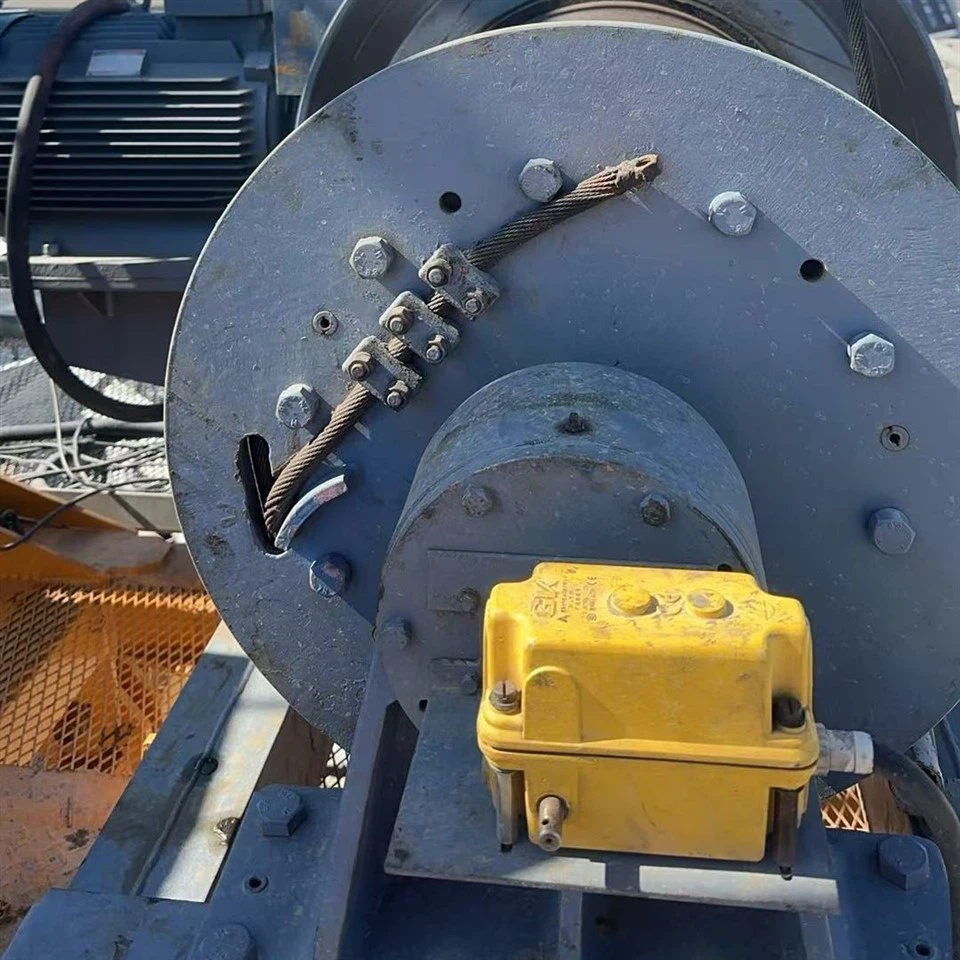

In conclusion, the horizontal movement of a Jack Up Tower Crane is a complex but well - engineered process. Whether it's through a rail - mounted system or a trackless system, these cranes are designed to move heavy loads efficiently and safely.
If you're in the market for a Jack Up Tower Crane for your construction project, we're here to help. Our cranes are built with high - quality materials and advanced technology to ensure reliable performance. We offer a range of models to suit different needs and budgets.
So, if you're interested in learning more about our Jack Up Tower Cranes or want to discuss your specific requirements, don't hesitate to reach out. We're ready to have a chat and help you find the perfect crane for your job.
References
- Construction Equipment Handbook
- Crane Operation and Maintenance Manuals


