

In the dynamic landscape of construction machinery, the question of whether a hydraulic tower crane can be remotely controlled is not just a technical curiosity but a pivotal inquiry that shapes the future of construction operations. As a seasoned supplier of hydraulic tower cranes, I've witnessed firsthand the transformative power of technological advancements in this field. In this blog, I'll delve into the feasibility, benefits, and challenges of remotely controlling hydraulic tower cranes, drawing on my industry experience and the latest research.
The Feasibility of Remote Control for Hydraulic Tower Cranes
Modern hydraulic tower cranes are marvels of engineering, designed with sophisticated hydraulic systems that enable precise lifting and positioning of heavy loads. The integration of advanced sensors, actuators, and communication technologies has made remote control a viable option for these machines. These technologies allow operators to monitor and control the crane's movements from a safe distance, using a combination of real - time data and intuitive control interfaces.
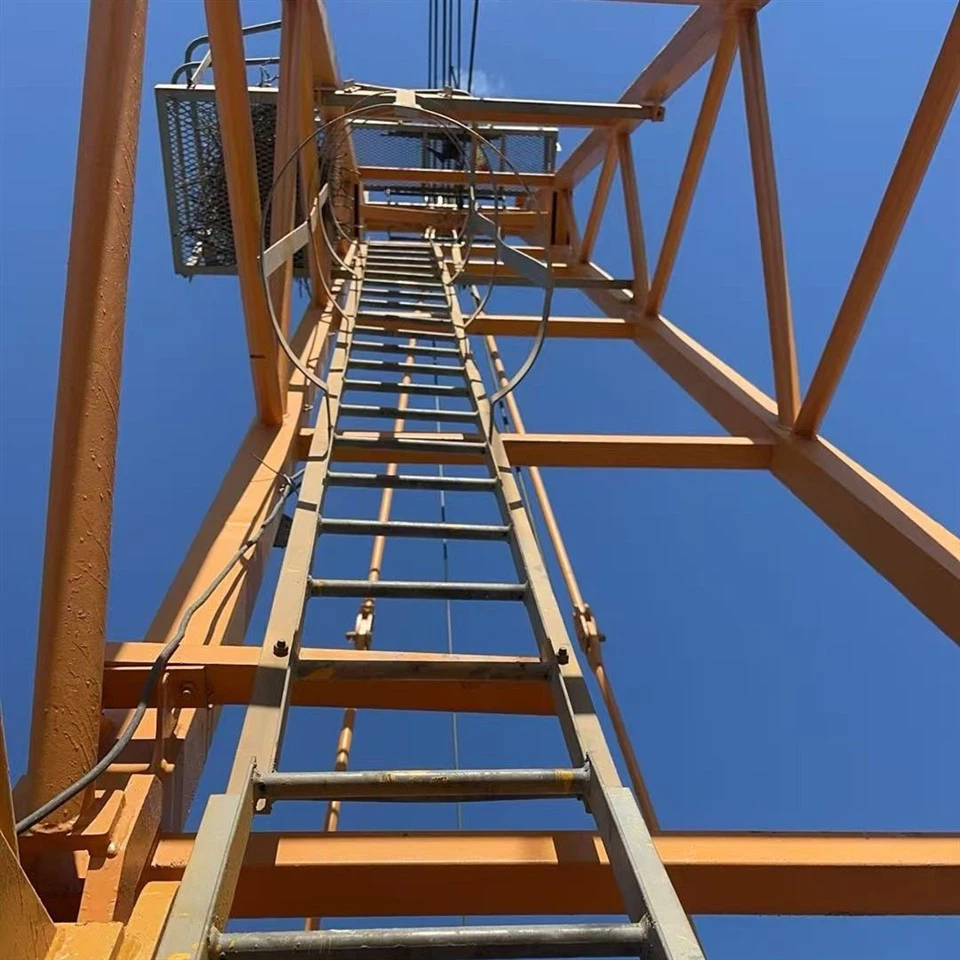

One of the key components that make remote control possible is the use of high - precision sensors. These sensors are installed throughout the crane to measure parameters such as load weight, boom angle, and hydraulic pressure. The data collected by these sensors is transmitted in real - time to a control station, where the operator can make informed decisions about the crane's operation. For example, if the load exceeds the crane's safe working limit, the system can automatically alert the operator and take preventive measures.
In addition to sensors, modern communication technologies play a crucial role in enabling remote control. Wireless communication protocols such as Wi - Fi, Bluetooth, and cellular networks provide a reliable connection between the crane and the control station. This allows the operator to send commands to the crane and receive feedback instantaneously, ensuring smooth and efficient operation.
Benefits of Remotely Controlling Hydraulic Tower Cranes
Enhanced Safety
Safety is paramount in the construction industry, and remote control offers significant advantages in this regard. By allowing operators to control the crane from a safe location, remote control eliminates the need for them to be in close proximity to the crane during operation. This reduces the risk of accidents caused by falling objects, mechanical failures, or other hazards. For instance, in high - rise construction projects, operators can control the crane from a ground - based control station, away from the potential danger zone at the top of the building.
Improved Efficiency
Remote control can also improve the efficiency of construction operations. Operators can have a better view of the entire worksite from the control station, which allows them to plan and execute lifting operations more effectively. They can quickly adjust the crane's movements based on real - time data, reducing the time spent on positioning the load. Moreover, remote control enables multiple cranes to be operated simultaneously from a single control station, optimizing the use of resources and increasing productivity.
Flexibility
With remote control, hydraulic tower cranes can be used in a wider range of applications. For example, in areas with limited access or difficult terrain, the crane can be controlled remotely without the need for an on - site operator. This makes it possible to carry out construction projects in challenging environments, such as mountainous regions or offshore platforms.
Challenges of Remotely Controlling Hydraulic Tower Cranes
Technical Complexity
Implementing remote control technology for hydraulic tower cranes requires a high level of technical expertise. The integration of sensors, communication systems, and control interfaces is a complex process that requires careful planning and testing. Any malfunction in the system can lead to operational disruptions or safety risks. Therefore, it is essential to have a team of skilled technicians to install, maintain, and troubleshoot the remote control system.
Communication Reliability
The reliability of the communication link between the crane and the control station is crucial for the safe and efficient operation of the remote - controlled crane. In areas with poor signal strength or interference, the communication may be disrupted, leading to delays or errors in the control commands. To mitigate this risk, redundant communication systems can be installed, and regular tests should be conducted to ensure the reliability of the connection.
Operator Training
Operators need to be trained to use the remote control system effectively. The transition from traditional on - site operation to remote control requires a different set of skills and knowledge. Operators need to be familiar with the new control interfaces, understand the real - time data provided by the sensors, and be able to make quick decisions based on the information. Comprehensive training programs should be developed to ensure that operators are competent in using the remote control system.
Our Offerings as a Hydraulic Tower Crane Supplier
As a leading supplier of hydraulic tower cranes, we are committed to providing our customers with the latest technology and solutions. Our cranes are equipped with state - of - the - art sensors and communication systems, making them suitable for remote control operation. We offer a range of models, including the Hammerhead Boom Crane, Small Tower Crane, and Hammerhead Tower Crane, each designed to meet the specific needs of different construction projects.
We also provide comprehensive after - sales support, including installation, maintenance, and training services. Our team of experts is available to assist customers in implementing remote control technology for their cranes, ensuring a smooth transition and optimal performance.
Conclusion
The ability to remotely control hydraulic tower cranes offers numerous benefits in terms of safety, efficiency, and flexibility. While there are challenges associated with implementing this technology, with the right technical expertise and support, these challenges can be overcome. As a supplier, we are dedicated to helping our customers embrace this innovative technology and stay ahead in the competitive construction industry.
If you are interested in learning more about our hydraulic tower cranes and remote control solutions, we invite you to contact us for a detailed discussion. Our team is ready to assist you in finding the best crane for your project and providing you with the necessary support for a successful implementation.
References
- Construction Equipment Guide: "The Future of Tower Crane Technology"
- International Journal of Construction Technology: "Remote Control Systems for Hydraulic Tower Cranes"
- Crane & Rigging Hot Line: "Benefits and Challenges of Remote - Controlled Cranes"


