

Hey there! I'm a supplier of Small Tower Cranes, and I often get asked about the maximum number of lifts per hour for these nifty machines. So, I thought I'd sit down and write this blog to share some insights with you all.
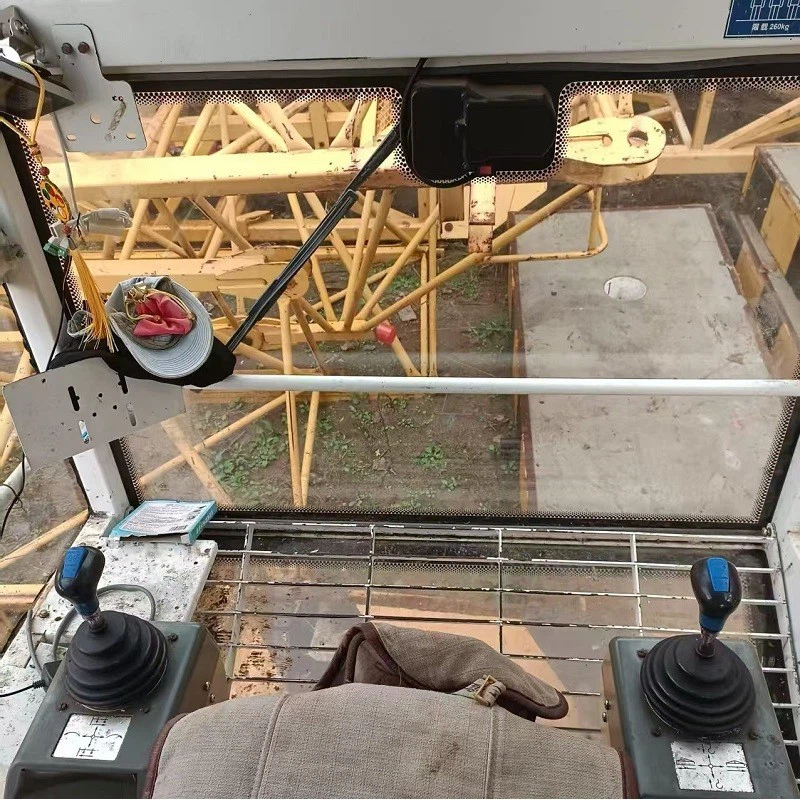

First off, let's talk about what a small tower crane is. A Small Tower Crane is a type of crane that's typically used in construction sites where space is limited. They're great for lifting and moving materials around, and they come in different shapes and sizes. Two common types are the Tower Head Crane and the Hammerhead Boom Crane.
Now, the maximum number of lifts per hour for a small tower crane isn't a one - size - fits - all answer. There are several factors that can affect this number.
Factors Affecting the Number of Lifts per Hour
1. Load Capacity
The load capacity of the crane plays a huge role. If you're lifting light loads, the crane can move faster between lifts. For example, if you're just moving small bags of cement, the crane can make quick trips up and down. But if you're lifting heavy steel beams, it'll take more time to hoist and lower the load safely. A small tower crane with a lower load capacity might be able to make more lifts per hour when dealing with lighter loads, but it won't be able to handle the really heavy stuff.
2. Crane Speed
The speed at which the crane can move is another crucial factor. Different small tower cranes have different hoisting, trolleying, and slewing speeds. A crane with a high hoisting speed can lift the load up faster, and a fast - slewing crane can rotate to the desired position more quickly. Some modern small tower cranes are designed with high - speed motors and advanced control systems to increase their operating speed.
3. Distance of Lifts
The distance the crane has to move the load also matters. If the load has to be lifted to a great height or moved a long horizontal distance, it'll take more time. For instance, if you're building a multi - story building and need to lift materials to the top floor, each lift will take longer compared to just moving the load a short distance on the ground floor.
4. Operator Skill
The skill of the crane operator is often underestimated. An experienced operator knows how to handle the crane efficiently. They can make smooth starts and stops, optimize the crane's movements, and quickly react to any unexpected situations. A novice operator might take longer to position the load accurately, which can reduce the number of lifts per hour.
5. Site Conditions
The construction site itself can have a big impact. If the site is crowded with other equipment and workers, the crane might have to wait for clear paths to move the load. Also, bad weather conditions like strong winds or heavy rain can slow down the crane's operation. High winds can make it dangerous to lift and move loads, so the operator might have to reduce the speed or even stop the crane temporarily.
Typical Ranges of Lifts per Hour
Based on my experience as a small tower crane supplier, in ideal conditions, a small tower crane can make anywhere from 10 to 30 lifts per hour.
When dealing with light loads (say, less than 1 ton) and short - distance lifts in a well - organized site with an experienced operator, the crane can reach the upper end of this range. For example, if you're just moving small pre - fabricated components around a small construction site, you might be able to get 25 - 30 lifts per hour.
On the other hand, if you're lifting heavy loads (over 2 tons) to a significant height and there are some site - related challenges, the number of lifts per hour could be closer to 10 - 15. For instance, when building a tall building and lifting large steel frames to the upper floors, the process is more time - consuming.
How to Maximize the Number of Lifts per Hour
If you want to get the most out of your small tower crane in terms of the number of lifts per hour, here are some tips:
1. Plan Ahead
Before starting the construction work, plan the lifting operations carefully. Determine the best routes for the crane to move the loads, and try to group similar loads together. This way, the crane can make more efficient trips.
2. Train Your Operators
Invest in training your crane operators. Provide them with regular training sessions to improve their skills and knowledge of the crane's operation. A well - trained operator can significantly increase the crane's productivity.
3. Maintain Your Crane
Regular maintenance is key. A well - maintained crane operates more smoothly and reliably. Check the crane's mechanical and electrical components regularly, lubricate the moving parts, and replace any worn - out parts promptly.
4. Optimize the Site Layout
Arrange the construction site in a way that allows the crane to move freely. Keep the area around the crane clear of obstacles, and make sure there are dedicated paths for the crane to move the loads.
Conclusion
So, there you have it! The maximum number of lifts per hour for a small tower crane depends on a variety of factors, and it can range from 10 to 30 lifts per hour in typical conditions. By understanding these factors and taking steps to optimize the crane's operation, you can increase the number of lifts and boost the productivity of your construction site.
If you're in the market for a small tower crane or have any questions about our products, I'd love to hear from you. Whether you're looking for a Tower Head Crane, a Hammerhead Boom Crane, or a general Small Tower Crane, we've got you covered. Feel free to reach out and let's have a chat about how we can meet your construction needs.
References
- Construction Equipment Handbook
- Crane Operator Training Manuals
- Industry reports on small tower crane performance


