

What is the Hoisting Speed of a Tower Head Crane?
As a supplier of Tower Head Cranes, I often get asked about the hoisting speed of these powerful machines. The hoisting speed is a crucial factor in determining the efficiency and productivity of a tower crane on a construction site. In this blog post, I will delve into the details of the hoisting speed of a Tower Head Crane, its significance, and the factors that influence it.
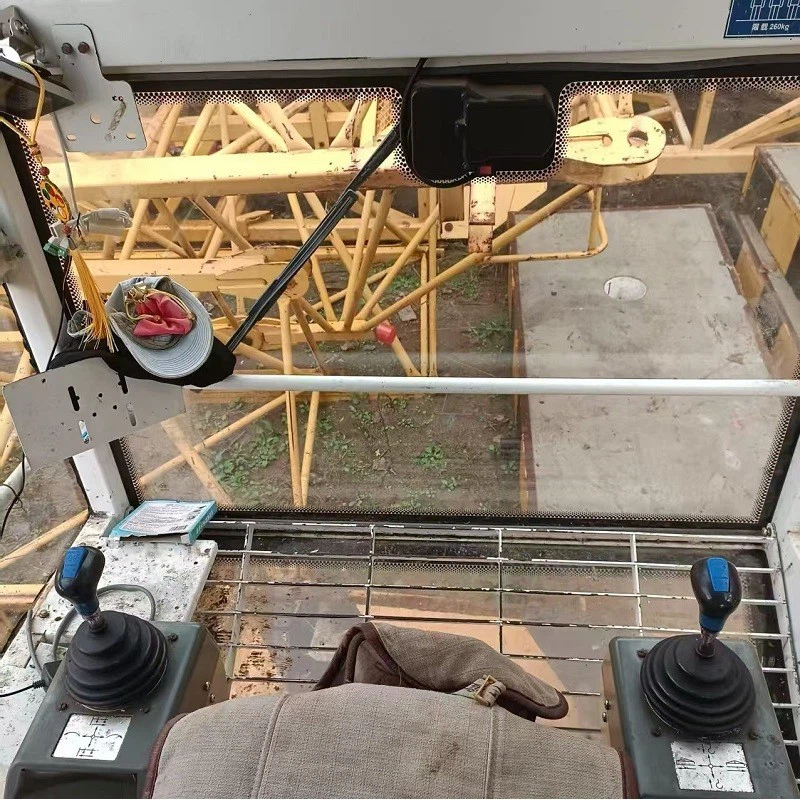

Understanding Hoisting Speed
The hoisting speed of a Tower Head Crane refers to the rate at which the crane can lift and lower loads. It is typically measured in meters per minute (m/min). This speed is a key performance indicator as it directly impacts the time taken to complete lifting operations, which in turn affects the overall construction schedule. For example, on a large - scale high - rise building project, a faster hoisting speed can significantly reduce the time required to transport construction materials to different floors, leading to quicker project completion.
Importance of Hoisting Speed
- Productivity: A higher hoisting speed means that more loads can be lifted and placed in a given time frame. This is especially important in large construction projects where time is of the essence. For instance, in the construction of a skyscraper, a Tower Head Crane with a fast hoisting speed can move steel beams, concrete blocks, and other heavy materials to the upper floors rapidly, allowing the construction work to progress at a faster pace.
- Cost - Efficiency: Faster hoisting speeds can lead to cost savings. When a crane can complete lifting tasks more quickly, the overall labor and equipment rental costs can be reduced. Construction companies can also save on project - related expenses such as site supervision and temporary accommodation for workers, as the project duration is shortened.
Factors Affecting Hoisting Speed
- Load Capacity: The weight of the load being lifted has a significant impact on the hoisting speed. Generally, a Tower Head Crane will hoist lighter loads at a faster speed than heavier ones. This is because the crane's motor and lifting mechanism need to exert more force to lift heavier loads, which slows down the hoisting process. For example, a Tower Head Crane might be able to hoist a 1 - ton load at a speed of 60 m/min, but when lifting a 5 - ton load, the speed may drop to 20 m/min.
- Crane Design and Model: Different models of Tower Head Cranes are designed with varying hoisting capabilities. Some cranes are built for high - speed hoisting, while others are optimized for heavy - load lifting. Advanced crane designs often incorporate more powerful motors and efficient gear systems, which can result in higher hoisting speeds. For example, our latest Tower Head Crane model is equipped with a state - of - the - art motor and a precision - engineered gearbox, allowing for faster and more efficient hoisting operations.
- Height and Reach: The height to which the load needs to be lifted and the horizontal reach of the crane also affect the hoisting speed. As the crane extends its jib to reach farther or lift loads to greater heights, the mechanical resistance increases, and the hoisting speed may decrease. This is due to factors such as the increased length of the wire rope and the additional stress on the crane's structure.
Typical Hoisting Speeds
The hoisting speed of a Tower Head Crane can vary widely depending on the factors mentioned above. In general, for light - load applications (loads up to 1 ton), the hoisting speed can range from 40 to 80 m/min. For medium - load applications (loads between 1 and 3 tons), the speed may be in the range of 20 to 60 m/min. For heavy - load applications (loads over 3 tons), the hoisting speed can be as low as 10 to 30 m/min.
It's important to note that these are just general ranges, and the actual hoisting speed of a specific Tower Head Crane can be adjusted based on the requirements of the construction project. Some modern cranes also come with variable - speed hoisting systems, which allow the operator to adjust the hoisting speed according to the load and the working conditions.
Comparison with Other Types of Tower Cranes
When comparing the hoisting speed of a Tower Head Crane with other types of tower cranes, such as the Hammerhead Tower Crane and the Hydraulic Tower Crane, there are some differences.
Hammerhead Tower Cranes are known for their large load - carrying capacity. While they can lift extremely heavy loads, their hoisting speed is generally slower compared to Tower Head Cranes, especially when it comes to light - and medium - load applications. This is because Hammerhead Tower Cranes are designed more for stability and heavy - duty lifting rather than high - speed operations.
Hydraulic Tower Cranes, on the other hand, often have a more compact design and are suitable for smaller construction sites. Their hoisting speed can be comparable to that of Tower Head Cranes, but it may also depend on the specific model and its hydraulic system.
Selecting the Right Hoisting Speed for Your Project
When choosing a Tower Head Crane for a construction project, it's essential to consider the hoisting speed requirements. First, assess the typical load weights that will need to be lifted and the height and reach of the lifting operations. If the project involves a large number of light - load and medium - load lifts, a crane with a higher hoisting speed would be more suitable. However, if heavy - load lifting is the primary requirement, a crane with a lower but reliable hoisting speed for heavy loads should be selected.
It's also important to consult with a professional crane supplier or engineer. At our company, we have a team of experts who can analyze your project requirements and recommend the most appropriate Tower Head Crane with the right hoisting speed. We take into account factors such as the project timeline, budget, and site conditions to ensure that you get the best - suited crane for your needs.
Conclusion
The hoisting speed of a Tower Head Crane is a critical factor that can significantly impact the efficiency and productivity of a construction project. By understanding the factors that affect hoisting speed, comparing it with other types of tower cranes, and selecting the right crane for your project, you can ensure that your construction operations run smoothly and cost - effectively.
If you are looking for a high - quality Tower Head Crane with the right hoisting speed for your construction project, we are here to help. Our range of Tower Head Cranes is designed to meet the diverse needs of the construction industry. Contact us today to discuss your requirements, and let's start a fruitful conversation about how our cranes can enhance your project's success.
References
- Construction Equipment Handbook. McGraw - Hill.
- Tower Crane Design and Operation Manual. Industry - specific publication.


