

Hey there! As a supplier of Hydraulic Tower Cranes, I'm super stoked to dive into the topic of the slewing mechanisms of these bad - boys. Hydraulic tower cranes are a game - changer in the construction industry, and understanding their slewing mechanisms is key to appreciating their awesomeness.
First off, let's talk about what slewing actually means. In simple terms, slewing is the rotation of the crane's upper structure around its vertical axis. This allows the crane to move the load horizontally in a circular path, which is crucial for getting materials to the right spot on a construction site.
There are a couple of main types of slewing mechanisms used in hydraulic tower cranes. One of the most common ones is the hydraulic slewing drive. This mechanism uses hydraulic power to turn the crane. Hydraulic systems are known for their high power - to - weight ratio, which means they can generate a lot of force without being overly heavy.
The hydraulic slewing drive consists of a hydraulic motor, a gearbox, and a slewing ring. The hydraulic motor is the heart of the system. It converts the hydraulic energy (pressure and flow) into mechanical energy (rotation). When the operator activates the controls, hydraulic fluid is pumped into the motor, causing its shaft to rotate.
The gearbox is connected to the motor shaft. Its job is to adjust the speed and torque of the rotation. Different construction tasks may require different slewing speeds. For example, when you're moving a heavy load, you might want a slower, more controlled rotation to ensure safety. The gearbox can change the ratio between the input speed from the motor and the output speed to the slewing ring.
The slewing ring is what actually allows the upper part of the crane to rotate around the lower part. It's a large bearing that can handle both radial and axial loads. The gear on the output shaft of the gearbox meshes with the teeth on the slewing ring, causing the upper structure of the crane to rotate.
Another type of slewing mechanism is the electric slewing drive. While we mainly deal with hydraulic tower cranes, electric slewing drives also have their place in the market. Electric slewing drives use an electric motor instead of a hydraulic one. They're often quieter and more energy - efficient in some situations. However, they might not be as powerful as hydraulic drives when it comes to handling extremely heavy loads.
Now, let's talk about the advantages of having a well - designed slewing mechanism in a hydraulic tower crane. First of all, it improves the crane's efficiency. With a smooth and precise slewing operation, the crane can quickly move loads from one place to another, reducing the overall construction time.
Safety is also a huge factor. A reliable slewing mechanism ensures that the crane can rotate steadily without any sudden jerks or vibrations. This is crucial when you're working with heavy and fragile materials. You don't want anything to fall off the hook because of an unstable rotation.
In addition, a good slewing mechanism can increase the crane's versatility. It allows the crane to reach different areas of the construction site easily. Whether you're building a tall skyscraper or a small residential building, the ability to rotate the crane's upper structure gives you more flexibility in placing materials.
When it comes to different types of tower cranes, such as the Hammerhead Tower Crane and the Tower Head Crane, the slewing mechanisms work in a similar way. However, the specific design and performance may vary depending on the crane's size, capacity, and intended use.

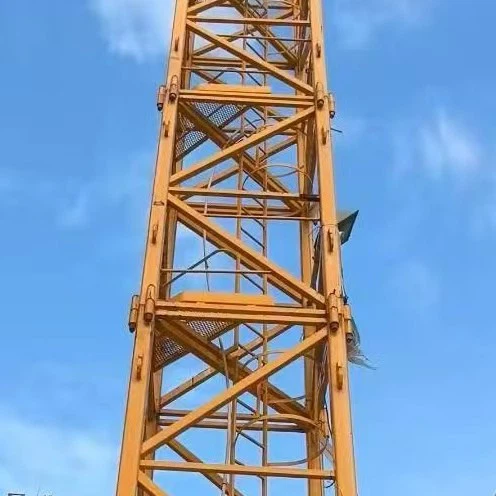
Our Hydraulic Tower Cranes are equipped with state - of - the - art slewing mechanisms. We've spent a lot of time and effort in research and development to make sure that our cranes offer the best performance in terms of slewing. Our hydraulic slewing drives are designed to be highly reliable, with minimal maintenance requirements.
We use high - quality hydraulic components and advanced control systems to ensure smooth and precise slewing. The operators can easily adjust the slewing speed and direction according to the specific needs of the job. Whether it's a slow, careful rotation for placing a large pre - cast concrete element or a fast rotation to quickly move some smaller building materials, our cranes can handle it.
If you're in the market for a hydraulic tower crane, you should definitely consider the slewing mechanism. It's one of the most important parts of the crane, and it can have a big impact on your construction project. A good slewing mechanism can save you time, money, and headaches in the long run.
We're always here to help you choose the right hydraulic tower crane for your needs. Our team of experts can provide you with detailed information about the slewing mechanisms and other features of our cranes. We can also offer after - sales support to make sure that your crane operates at its best throughout its lifespan.
So, if you're interested in our hydraulic tower cranes or want to learn more about their slewing mechanisms, don't hesitate to reach out. We're eager to start a conversation and see how we can assist you in your construction endeavors. Whether you're a small contractor or a large construction company, we have the right crane for you.
In conclusion, the slewing mechanisms of hydraulic tower cranes are a complex but fascinating part of these machines. They play a vital role in the crane's performance, efficiency, and safety. By understanding how they work, you can make a more informed decision when it comes to purchasing a hydraulic tower crane.
References
- Construction Equipment Handbook, various editions
- Journal of Construction Machinery and Equipment, multiple issues


