

As a supplier of Hammerhead Boom Cranes, I understand the critical importance of having well - defined emergency procedures in place. These procedures not only ensure the safety of the operators and nearby personnel but also protect the valuable equipment and the surrounding environment. In this blog, I will delve into the essential emergency procedures for a Hammerhead Boom Crane.
1. Pre - operation Emergency Preparedness
Before the crane is even put into operation, several emergency - related steps should be taken. First and foremost, all operators must undergo comprehensive training on emergency procedures. This training should cover theoretical knowledge as well as practical simulations. For example, operators should be trained on how to respond to sudden power failures, equipment malfunctions, and adverse weather conditions.

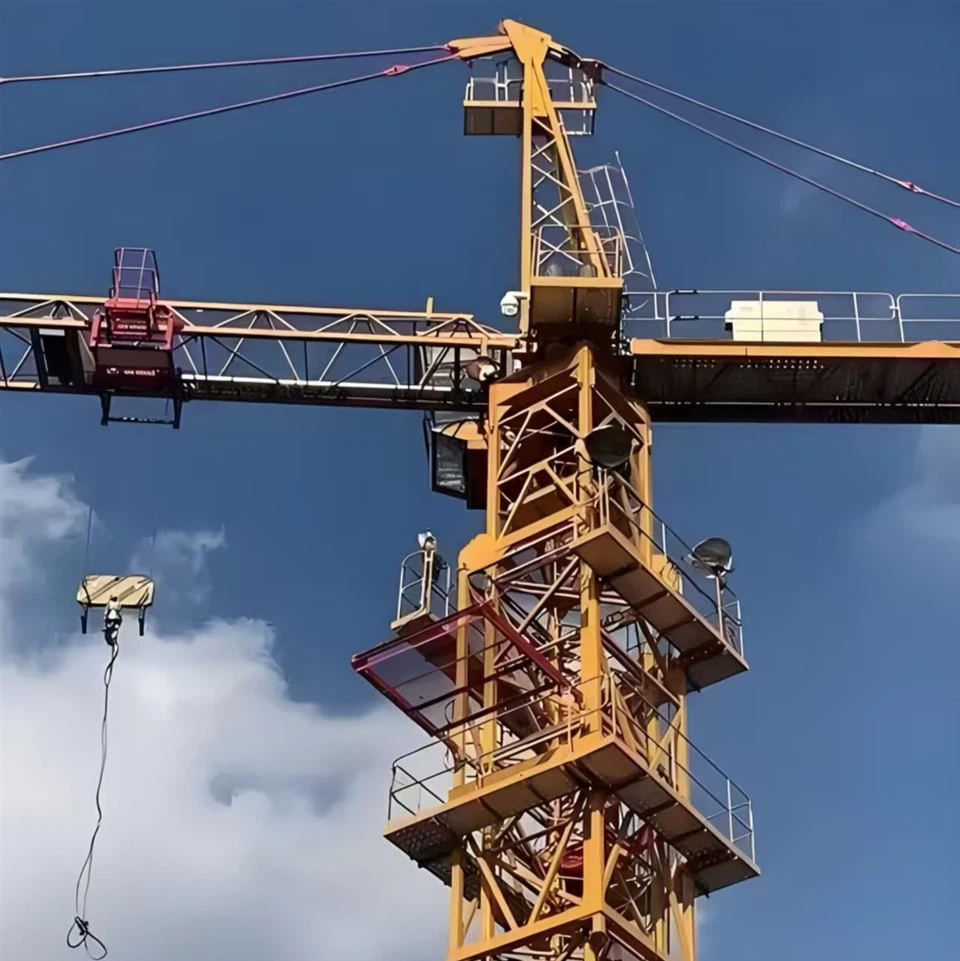
Another crucial aspect is the regular inspection of the crane. Our company provides detailed inspection checklists for our Hammerhead Boom Cranes. These checklists cover everything from the structural integrity of the boom to the functionality of the control systems. By conducting these inspections regularly, potential emergency situations can be identified and addressed before they escalate.
In addition, emergency response kits should be readily available on - site. These kits should include first - aid supplies, fire - extinguishing equipment, and communication devices. All personnel on the site should know the location of these kits and how to use them in case of an emergency.
2. Emergency Response during Operation
Power Failure
Power failure is a common emergency situation that can occur during crane operation. When a power failure happens, the first step is to ensure the safety of the load. If the load is in mid - air, the operator should use the emergency brake system to prevent the load from falling. Our Hammerhead Boom Cranes are equipped with reliable emergency brake systems that can hold the load in place even during a power outage.
Next, the operator should attempt to communicate with the control center or other personnel on the site using the available communication devices. The control center can then coordinate with the electrical maintenance team to restore power as quickly as possible.
Equipment Malfunction
Equipment malfunctions can range from minor issues such as a faulty sensor to major problems like a hydraulic system failure. In case of a minor malfunction, the operator should follow the troubleshooting guide provided by our company. This guide includes step - by - step instructions on how to identify and fix common problems.
If the malfunction is severe and poses a risk to the safety of the personnel or the equipment, the operator should immediately stop the crane and evacuate the area. The maintenance team should then be notified, and they will conduct a detailed inspection to determine the cause of the malfunction and carry out the necessary repairs.
Adverse Weather Conditions
Adverse weather conditions such as strong winds, heavy rain, or lightning can pose a significant threat to the operation of a Hammerhead Boom Crane. When adverse weather is approaching, the operator should closely monitor the weather forecast. If the wind speed exceeds the safe operating limit, which is typically specified in the crane's operation manual, the crane should be shut down.
The operator should also secure the boom and any loose parts of the crane to prevent them from being damaged by the wind. In case of lightning, all personnel should stay away from the crane and seek shelter in a safe place.
3. Evacuation Procedures
In some emergency situations, such as a major equipment failure or a fire, evacuation may be necessary. Our company provides clear evacuation plans for all our Hammerhead Boom Crane sites. These plans include designated evacuation routes, assembly points, and procedures for accounting for all personnel.
When an evacuation is ordered, the operator should stop the crane immediately and use the communication system to alert all personnel on the site. Everyone should then follow the designated evacuation routes to reach the assembly point. At the assembly point, a headcount should be taken to ensure that all personnel are accounted for.
4. Post - emergency Procedures
After an emergency situation has been resolved, a thorough investigation should be conducted. The purpose of this investigation is to determine the root cause of the emergency and to identify any areas where the emergency procedures can be improved.
The maintenance team should inspect the crane to ensure that it is safe to resume operation. Any damaged parts should be replaced, and the crane should undergo a series of tests to verify its functionality.
In addition, all personnel involved in the emergency should be debriefed. This debriefing session provides an opportunity for them to share their experiences and to learn from the incident.
5. Comparison with Other Types of Tower Cranes
When considering emergency procedures, it's also interesting to compare the Hammerhead Boom Crane with other types of tower cranes, such as the Jack Up Tower Crane, Hammerhead Tower Crane, and Hydraulic Tower Crane.
The Jack Up Tower Crane has its own unique emergency procedures, especially related to the jack - up process. For example, in case of a problem during the jack - up operation, special measures need to be taken to ensure the stability of the crane.
The Hammerhead Tower Crane shares some similarities with the Hammerhead Boom Crane in terms of emergency response to power failures and equipment malfunctions. However, the design of the boom and the overall structure may lead to some differences in the specific procedures.
The Hydraulic Tower Crane, on the other hand, has emergency procedures that are more focused on the hydraulic system. Malfunctions in the hydraulic system can have a significant impact on the crane's operation, and the response procedures need to address these issues effectively.
6. Conclusion and Call to Action
In conclusion, having well - defined emergency procedures for a Hammerhead Boom Crane is essential for ensuring the safety of personnel, protecting the equipment, and minimizing the impact of emergencies. Our company is committed to providing high - quality Hammerhead Boom Cranes along with comprehensive support in terms of emergency procedures and training.
If you are in the market for a reliable Hammerhead Boom Crane or need more information about our emergency procedures, we encourage you to reach out to us. We are ready to have in - depth discussions with you about your specific needs and how our products can meet them. Let's work together to ensure a safe and efficient construction environment.
References
- Crane Manufacturer's Operation Manuals
- Industry Standards for Tower Crane Safety
- Occupational Safety and Health Administration (OSHA) Guidelines for Crane Operations


