

Hey there! As a supplier of construction hoists, I've seen firsthand how corrosion can really mess things up. Corrosion not only shortens the lifespan of a construction hoist but also poses significant safety risks. So, in this blog, I'm gonna share some tips on how to prevent corrosion of a construction hoist.
Understanding Corrosion in Construction Hoists
Before we dive into the prevention methods, it's important to understand what causes corrosion in the first place. Corrosion is basically a chemical reaction between the metal of the hoist and its environment. Factors like moisture, oxygen, and chemicals in the air or on the construction site can all trigger this reaction. For instance, in coastal areas, the salt in the air can accelerate corrosion. And if the hoist is used in a chemical - laden industrial environment, the risk is even higher.
Regular Cleaning
One of the simplest yet most effective ways to prevent corrosion is regular cleaning. Dirt, dust, and debris can trap moisture against the metal surface, creating an ideal environment for corrosion to start. So, make sure to clean your construction hoist regularly.
Use a mild detergent and water to wash the hoist. Avoid using abrasive cleaners or tools that can scratch the surface, as these scratches can become starting points for corrosion. After washing, rinse the hoist thoroughly to remove all the detergent residue. Then, dry it completely using a clean cloth or by letting it air - dry. This is especially important in areas where the hoist is exposed to rain or high humidity.
Protective Coatings
Applying protective coatings is another great way to keep corrosion at bay. There are different types of coatings available, such as paint, powder coating, and galvanizing.
Paint is a common and cost - effective option. It forms a physical barrier between the metal and the environment. When choosing paint, make sure it's suitable for the type of metal used in the hoist and the environmental conditions. For example, if the hoist is going to be used in a harsh, outdoor environment, you might want to choose a high - quality, weather - resistant paint.
Powder coating is a more durable option. It involves applying a dry powder to the metal surface and then heating it to form a hard, protective layer. Powder coating is more resistant to chipping, scratching, and fading compared to paint.
Galvanizing is a process where a layer of zinc is applied to the metal. Zinc acts as a sacrificial anode, meaning it corrodes before the underlying metal. This provides long - term protection against corrosion, especially in environments with high moisture or salt exposure.
Proper Storage
When the construction hoist is not in use, proper storage is crucial. If possible, store the hoist in a dry, covered area. This protects it from rain, snow, and direct sunlight, which can all contribute to corrosion.
If outdoor storage is unavoidable, use a waterproof cover to protect the hoist. Make sure the cover is properly secured to prevent moisture from getting in. Also, elevate the hoist off the ground to prevent contact with damp soil or standing water.
Inspections
Regular inspections are essential for early detection of corrosion. Set up a schedule to inspect the hoist thoroughly. Check for signs of rust, flaking paint, or any other visible damage. Pay special attention to areas that are more prone to corrosion, such as joints, welds, and areas where the coating may have been damaged.
If you notice any signs of corrosion, take action immediately. Small areas of corrosion can often be treated by sanding the affected area and applying a new coat of paint or protective coating. However, if the corrosion is extensive, it may be necessary to replace the affected parts.
Lubrication
Lubrication is not only important for the smooth operation of the hoist but also for preventing corrosion. Moving parts, such as chains, gears, and bearings, are particularly vulnerable to corrosion. Apply a high - quality lubricant regularly to these parts.
The lubricant forms a protective film that prevents moisture from coming into contact with the metal. It also helps to reduce friction and wear, which can further damage the metal and lead to corrosion. Make sure to use the right type of lubricant for each part of the hoist.
Environmental Control
If possible, try to control the environment around the construction hoist. For example, in indoor construction sites, use dehumidifiers to reduce the humidity level. High humidity can significantly increase the risk of corrosion.
In areas with high levels of air pollution or chemicals, consider using air filtration systems. This can help to reduce the amount of corrosive substances in the air that come into contact with the hoist.
Training for Operators
Proper training for operators is also important in preventing corrosion. Operators should be educated about the importance of corrosion prevention and how to take care of the hoist. They should know how to clean, lubricate, and inspect the hoist correctly.
Operators should also be trained to report any signs of damage or corrosion immediately. By catching problems early, you can prevent them from getting worse and save on costly repairs or replacements.
Different Types of Construction Hoists and Corrosion Prevention
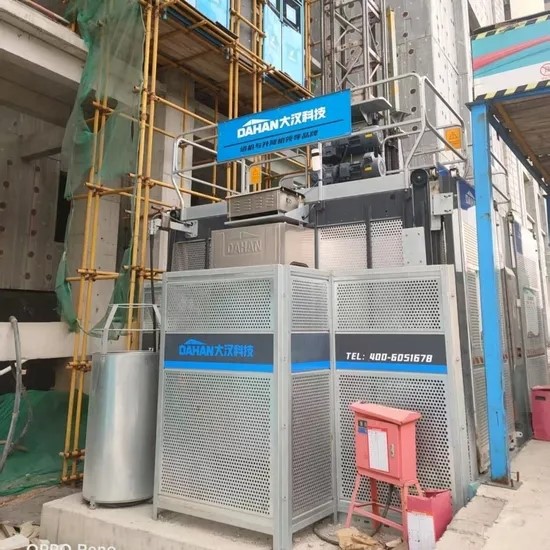
We offer different types of construction hoists, including Construction Goods Hoist, Construction Personnel Hoist, and Intelligent Construction Hoist. Each type has its own unique features, but the principles of corrosion prevention are the same.
For goods hoists, since they are often used to carry heavy loads and are exposed to a lot of dirt and debris, regular cleaning is even more important. Make sure to clean the cargo platform and the lifting mechanism thoroughly after each use.
Personnel hoists need to meet high safety standards. In addition to the regular corrosion prevention measures, extra care should be taken to ensure the safety of the passengers. Inspect the safety devices, such as brakes and limit switches, for any signs of corrosion.
Intelligent construction hoists have advanced electronic components. These components are also vulnerable to corrosion. When cleaning the hoist, be careful not to get water on the electronic parts. Use a dry cloth to clean the control panels and sensors.
Conclusion
Preventing corrosion of a construction hoist is essential for its long - term performance and safety. By following these tips, such as regular cleaning, applying protective coatings, proper storage, inspections, lubrication, environmental control, and training operators, you can significantly reduce the risk of corrosion.
If you're in the market for a high - quality construction hoist or need more advice on corrosion prevention, don't hesitate to reach out. We're here to help you make the right choice and keep your hoist in top condition.
References
- "Corrosion Prevention in the Construction Industry" - A technical guide published by a leading industry association.
- "Maintenance and Corrosion Control of Lifting Equipment" - A research paper from a well - known engineering journal.


