

Hey there! As a supplier of building material hoists, I've seen firsthand the importance of safety when it comes to these powerful machines. One crucial aspect of ensuring safety is installing a safety net for your building material hoist. In this blog post, I'll walk you through the steps of how to install a safety net for a building material hoist, so you can keep your workers and equipment safe on the job site.
Why You Need a Safety Net
Before we dive into the installation process, let's talk about why a safety net is so important. A building material hoist is a heavy-duty machine that moves materials up and down a building. During operation, there's always a risk of materials falling or equipment malfunctioning, which can pose a serious danger to workers below. A safety net acts as a protective barrier, catching any falling objects and preventing them from hitting the ground or people.
Step 1: Gather Your Materials
The first step in installing a safety net for your building material hoist is to gather all the necessary materials. You'll need:
- A high-quality safety net that meets all relevant safety standards. Make sure it's the right size for your hoist and the area you need to cover.
- Mounting brackets or hooks designed for attaching the safety net to the hoist or the building structure.
- Screws, bolts, or other fasteners to secure the mounting brackets.
- A measuring tape to ensure accurate placement of the net.
- A ladder or scaffolding to reach the installation points.
Step 2: Plan Your Installation
Once you have all your materials, it's time to plan your installation. Start by measuring the area where you want to install the safety net. This will help you determine the size of the net you need and where to place the mounting brackets.
Next, identify the best locations for attaching the mounting brackets. You'll want to choose points on the hoist or the building structure that are strong enough to support the weight of the net and any falling objects. Make sure the brackets are evenly spaced to provide even support across the net.
Step 3: Install the Mounting Brackets
Now it's time to install the mounting brackets. Using your ladder or scaffolding, carefully position the brackets at the marked locations. Use your measuring tape to ensure they're level and properly aligned.
Once the brackets are in place, use the screws, bolts, or other fasteners to secure them to the hoist or the building structure. Make sure they're tightened securely to prevent the net from coming loose.
Step 4: Hang the Safety Net
With the mounting brackets installed, it's time to hang the safety net. Carefully lift the net onto the brackets, making sure it's centered and evenly distributed. You may need some help from your colleagues to hold the net in place while you secure it.
Once the net is in position, use the hooks or other attachment mechanisms to connect it to the mounting brackets. Make sure the net is tightly secured and there are no gaps or loose ends.
Step 5: Inspect and Test the Safety Net
After the safety net is installed, it's important to inspect it thoroughly to make sure it's properly installed and in good condition. Check for any signs of damage, such as tears or holes, and make any necessary repairs or replacements.
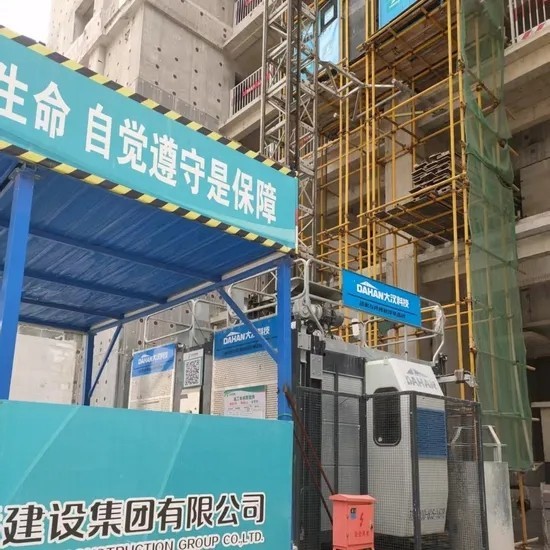

Once you're satisfied with the inspection, conduct a test to ensure the net is working properly. You can do this by dropping a small, lightweight object onto the net from a safe height. The net should catch the object without tearing or coming loose.
Step 6: Maintain Your Safety Net
Installing a safety net is just the first step. To ensure it continues to provide reliable protection, you'll need to maintain it regularly. This includes:
- Inspecting the net regularly for signs of wear and tear, such as fraying or stretching.
- Cleaning the net to remove any dirt, debris, or chemicals that could weaken the material.
- Tightening any loose fasteners or brackets to prevent the net from coming loose.
- Replacing the net if it becomes damaged or reaches the end of its useful life.
Other Safety Considerations
In addition to installing a safety net, there are other safety measures you can take to protect your workers and equipment when using a building material hoist. These include:
- Providing proper training for all workers who operate or work around the hoist. Make sure they understand how to use the hoist safely and follow all safety procedures.
- Conducting regular maintenance and inspections of the hoist to ensure it's in good working condition.
- Using personal protective equipment (PPE), such as hard hats, safety glasses, and safety harnesses, when working around the hoist.
- Establishing clear safety protocols and procedures for using the hoist, and enforcing them consistently.
Conclusion
Installing a safety net for your building material hoist is an essential step in ensuring the safety of your workers and equipment on the job site. By following the steps outlined in this blog post, you can install a high-quality safety net that provides reliable protection against falling objects.
Remember, safety should always be your top priority when working with building material hoists. If you have any questions or need further assistance with installing a safety net or any other safety-related issues, don't hesitate to reach out to us. We're here to help you keep your job site safe and productive.
If you're in the market for a building material hoist, we also offer a range of high-quality products, including Construction Personnel Hoist, Construction Elevator Lift, and Intelligent Construction Hoist. Our hoists are designed to meet the highest safety and performance standards, and we can help you choose the right one for your needs.
If you're interested in learning more about our products or have any questions about installation, maintenance, or safety, please contact us to start a conversation. We look forward to working with you to find the best solutions for your construction projects.
References
- Occupational Safety and Health Administration (OSHA). "Safety Standards for Construction Equipment."
- American National Standards Institute (ANSI). "Safety Requirements for Building Material Hoists."
- Manufacturer's Manuals for Building Material Hoists.


