Hey there! As a supplier of Hammerhead Tower Cranes, I often get asked about how often these bad boys should be inspected. It's a crucial question, and in this blog, I'm gonna break it down for you.
First off, let's understand why inspections are so important. Hammerhead Tower Cranes are massive pieces of machinery that play a vital role in construction projects. They're used to lift and move heavy loads, and any malfunction or issue can lead to serious safety hazards, not to mention costly delays. Regular inspections help ensure that the crane is in good working condition, identify potential problems early on, and keep everyone on the construction site safe.

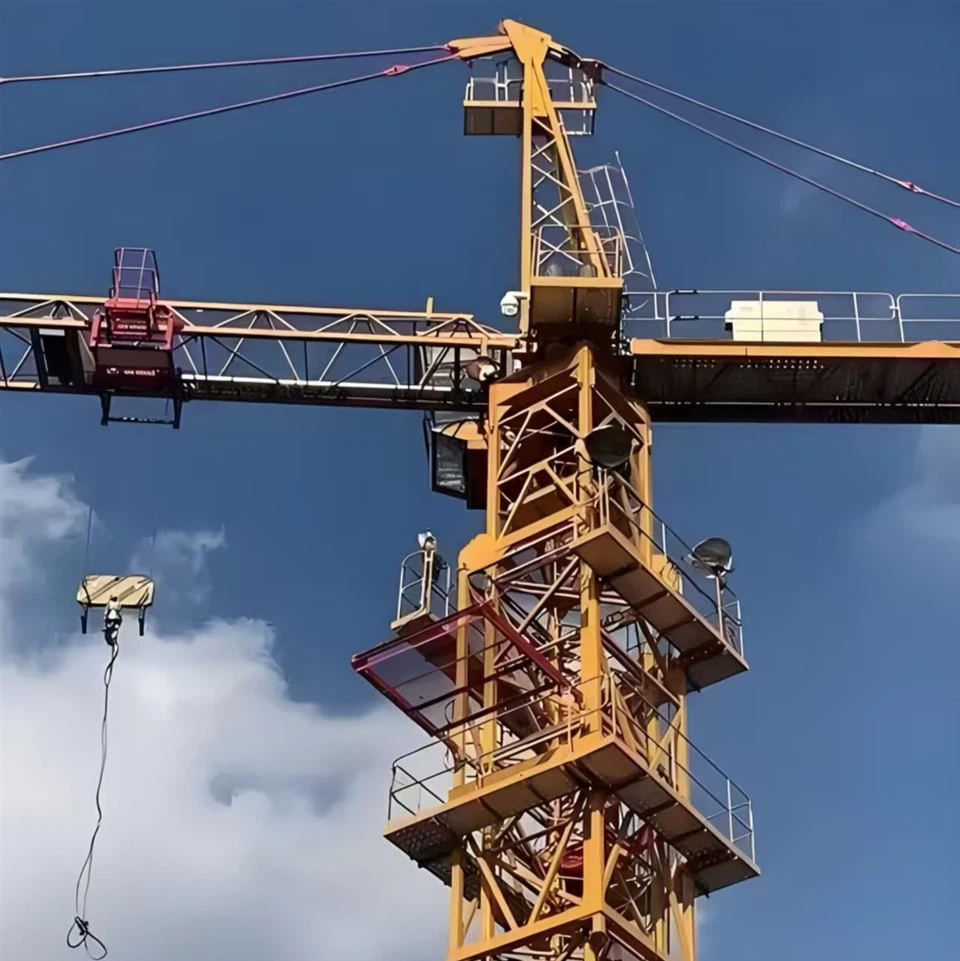
Now, the frequency of inspections depends on several factors. One of the most important factors is the usage of the crane. If the crane is being used constantly, say, on a large-scale construction project where it's operating several hours a day, it'll need more frequent inspections compared to a crane that's used only occasionally.
For cranes that are in continuous use, a daily pre - shift inspection is a must. This quick check can be done by the crane operator before starting work each day. The operator should look for obvious signs of damage, such as cracks in the structure, loose bolts, or leaks in the hydraulic system. They should also test the controls to make sure everything is functioning properly. A daily inspection like this only takes a few minutes but can catch small issues before they turn into big problems.
In addition to the daily checks, a more in - depth inspection should be carried out on a weekly basis. This inspection can be performed by a qualified technician. The technician will go over the crane in more detail, checking the mechanical components, electrical systems, and safety devices. They'll look at things like the hoist ropes, which are under a lot of stress during operation. Worn - out ropes can break, leading to a catastrophic failure. The technician will measure the diameter of the ropes and check for signs of fraying or corrosion.
The electrical system is another critical area. Loose connections or faulty wiring can cause malfunctions or even electrical fires. The technician will check all the electrical components, including switches, motors, and control panels, to make sure they're in good working order.
Safety devices are also a key part of the weekly inspection. Things like limit switches, which prevent the crane from over - extending or over - loading, need to be tested to ensure they're functioning correctly. The anti - collision system, if the crane is operating in an area with other cranes or structures, should also be checked.
On a monthly basis, a comprehensive inspection should be carried out. This inspection is more thorough than the weekly one and may involve some disassembly of the crane components. The technician will check the structural integrity of the crane, looking for any signs of fatigue or stress. They'll also perform load tests to make sure the crane can handle the rated load safely.
Load tests are an important part of the monthly inspection. By applying a known load to the crane, the technician can verify that the crane's lifting capacity is still within the specified limits. This is especially important as the crane ages and may experience wear and tear.
Another factor that affects the inspection frequency is the environment in which the crane is operating. If the crane is working in a harsh environment, such as a coastal area where there's a lot of saltwater corrosion, or a dusty construction site, it'll need more frequent inspections. Saltwater can corrode the metal components of the crane, while dust can clog the filters and other mechanical parts.
For cranes operating in harsh environments, it might be a good idea to increase the frequency of the weekly and monthly inspections. For example, instead of a monthly inspection, it could be done every three weeks. And the weekly inspection might need to include more detailed checks for corrosion or dust accumulation.
Now, let's talk about some of the related crane types. If you're interested in other types of tower cranes, you might want to check out the Jack Up Tower Crane, the Tower Head Crane, or the Hammerhead Boom Crane. Each of these cranes has its own unique features and inspection requirements, but the general principles of regular inspection still apply.
In conclusion, the frequency of inspections for a Hammerhead Tower Crane depends on its usage and the operating environment. Daily pre - shift checks by the operator, weekly inspections by a technician, and monthly comprehensive inspections are the basic schedule for a crane in normal use. For cranes in harsh environments, the inspection frequency may need to be increased.
Regular inspections are not just a regulatory requirement; they're essential for the safe and efficient operation of the crane. By investing in regular inspections, you can extend the lifespan of your crane, reduce the risk of accidents, and avoid costly downtime.
If you're in the market for a Hammerhead Tower Crane or have any questions about crane inspections, don't hesitate to reach out. We're here to help you make the right choice and keep your crane in top - notch condition.
References:
- OSHA Guidelines for Crane Safety
- Crane Manufacturer's Manuals
- Industry Best Practices for Crane Maintenance and Inspection