

Hey there! I'm a supplier of Tower Head Cranes, and today I'm super excited to take you on a deep - dive into how a Tower Head Crane's hydraulic system works.
The Basics of a Tower Head Crane
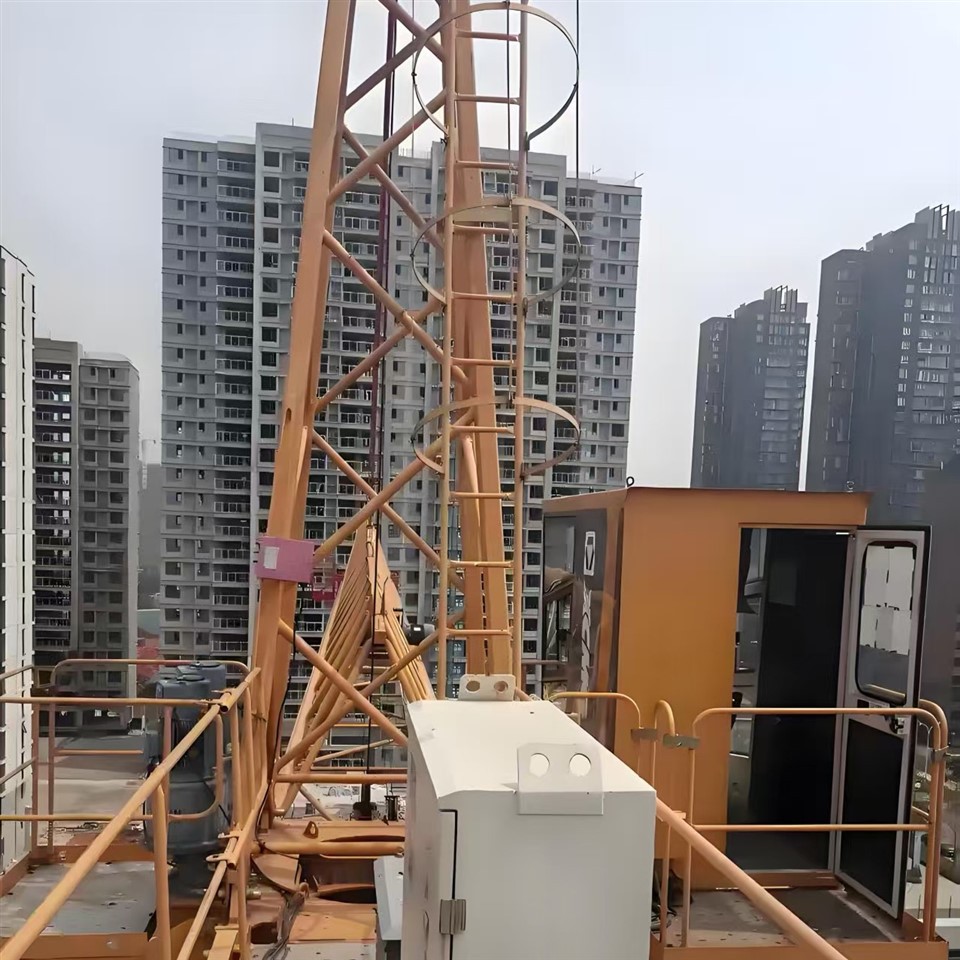
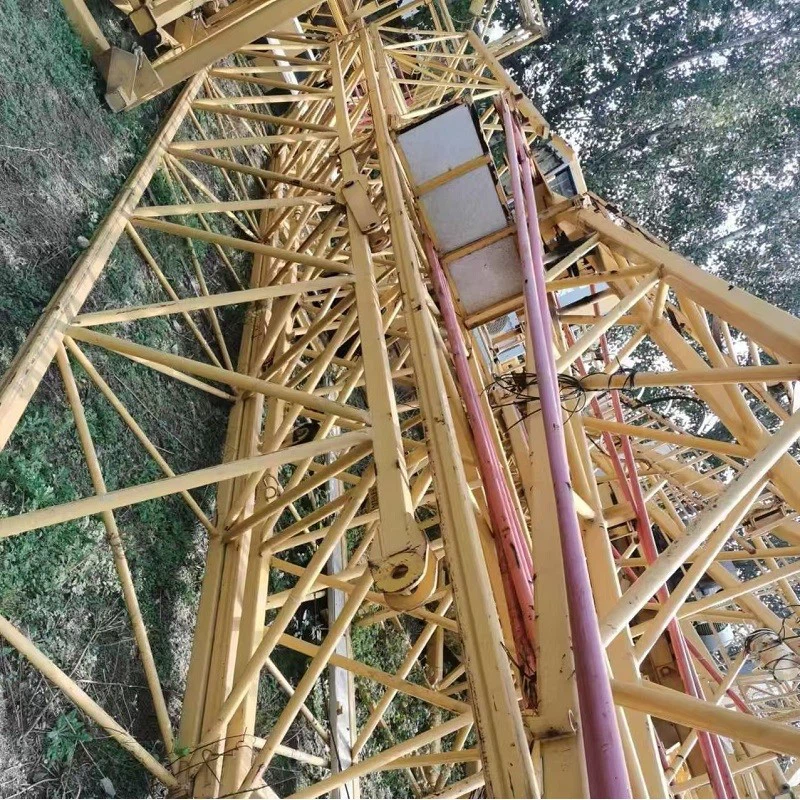
Before we jump into the hydraulic system, let's quickly cover what a Tower Head Crane is. These cranes are absolute beasts on construction sites. They're tall, they're powerful, and they can lift some seriously heavy loads. There are different types of tower cranes out there, like the Jack Up Tower Crane, Hydraulic Tower Crane, and Hammerhead Boom Crane. Each has its own unique features, but they all rely on a well - functioning hydraulic system to get the job done.
Key Components of the Hydraulic System
Hydraulic Pump
The heart of the hydraulic system is the hydraulic pump. It's like the engine of a car. The pump's main job is to take in hydraulic fluid from a reservoir and then pressurize it. There are different types of pumps used in Tower Head Cranes, such as gear pumps, vane pumps, and piston pumps. Gear pumps are pretty common because they're simple, reliable, and can handle a decent amount of pressure.
The pump gets its power from the crane's engine. As the engine runs, it turns the pump, which starts the whole hydraulic process. Once the fluid is pressurized, it's sent through a series of pipes and hoses to the different parts of the crane that need it.
Hydraulic Cylinders
Hydraulic cylinders are like the muscles of the crane. They're what actually do the heavy lifting and moving. A hydraulic cylinder is a simple but incredibly effective device. It consists of a cylinder barrel, a piston, and a piston rod.
When the pressurized hydraulic fluid enters one side of the cylinder, it pushes the piston. The piston then moves the piston rod, which can be connected to different parts of the crane, like the jib or the mast. For example, in the boom extension mechanism, hydraulic cylinders are used to make the boom longer or shorter. This allows the crane to adjust its reach depending on the job requirements.
Valves
Valves are the traffic controllers of the hydraulic system. They control the flow and direction of the hydraulic fluid. There are several types of valves in a Tower Head Crane's hydraulic system.
Directional control valves are used to determine which way the fluid will flow. They can be manually operated or controlled electronically. Pressure control valves, on the other hand, make sure that the pressure in the system doesn't get too high. If the pressure exceeds a certain limit, these valves will open and release some of the fluid back into the reservoir to prevent damage to the system.
Hydraulic Fluid
Hydraulic fluid is the lifeblood of the system. It has several important functions. First of all, it transfers power from the pump to the cylinders. It also lubricates the moving parts in the system, reducing friction and wear. Additionally, it helps to cool the system by carrying away heat generated during operation.
The type of hydraulic fluid used in a Tower Head Crane is carefully selected. It needs to have good viscosity, which means it should be thick enough to create a good seal in the cylinders and pumps but thin enough to flow easily through the pipes. It also needs to be resistant to oxidation and foaming.
How the Hydraulic System Works in Different Crane Operations
Lifting Loads
When it's time to lift a heavy load, the operator sends a signal to the hydraulic system. The pump starts pressurizing the hydraulic fluid, and the directional control valves direct the fluid to the appropriate hydraulic cylinders.
Let's say we're using a hydraulic cylinder to lift the jib of the crane. The pressurized fluid enters the bottom of the cylinder, pushing the piston upwards. As the piston moves, it extends the piston rod, which in turn raises the jib. The amount of force that the cylinder can generate depends on the pressure of the fluid and the size of the piston.
Boom Extension and Retraction
As I mentioned earlier, hydraulic cylinders are used for boom extension and retraction. When the operator wants to extend the boom, the directional control valves send the pressurized fluid to the cylinders that are responsible for this movement. The fluid enters the cylinders, and the pistons push the boom sections outwards, increasing the crane's reach.
To retract the boom, the valves reverse the flow of the fluid. The fluid now enters the other side of the cylinders, pulling the pistons back and bringing the boom sections back in.
Slewing
Slewing is the rotation of the crane's upper part. The hydraulic system also plays a crucial role here. There are hydraulic motors that are used for slewing. The pressurized hydraulic fluid is sent to these motors, which convert the hydraulic energy into mechanical energy.
The motor then drives a gear or a chain system that rotates the upper part of the crane. This allows the crane to move the load from one side of the construction site to the other without having to move the entire crane base.
Maintenance and Safety
Maintenance
Proper maintenance of the hydraulic system is crucial for the crane's performance and longevity. Regularly checking the hydraulic fluid level is a must. If the fluid level is low, it could mean there's a leak somewhere in the system. The fluid also needs to be changed at regular intervals to keep it clean and in good condition.
Inspecting the hoses and pipes for any signs of wear or damage is also important. A damaged hose can lead to a loss of hydraulic pressure and even pose a safety risk. The valves and pumps should also be checked for proper operation.
Safety
Safety is always a top priority when it comes to Tower Head Cranes. The hydraulic system has several safety features built - in. For example, the pressure control valves prevent over - pressurization, which could cause a component to fail catastrophically.
Operators need to be properly trained to use the crane and understand how the hydraulic system works. They should follow all safety procedures, such as wearing appropriate personal protective equipment and not overloading the crane.
Why Choose Our Tower Head Cranes
Our Tower Head Cranes are designed with the latest technology in hydraulic systems. We use high - quality components that are built to last. Our cranes are reliable, and we offer excellent after - sales service to make sure your crane is always in top condition.
If you're in the market for a Tower Head Crane, whether it's a Jack Up Tower Crane, Hydraulic Tower Crane, or Hammerhead Boom Crane, we'd love to have a chat with you. Contact us to discuss your specific needs, and let's work together to find the perfect crane for your construction projects.
References
- "Hydraulic Engineering" by R. L. Daugherty and J. B. Franzini.
- "Tower Crane Handbook" by Frank J. DeStefano.
- Manufacturer's manuals for Tower Head Cranes.


