

Hey there! As a supplier of Small Tower Cranes, I often get asked if our small tower cranes can be used for power plant construction. Well, let's dive right into this topic and explore the ins and outs of using a small tower crane in such a demanding environment.
First off, let's understand what power plant construction entails. Power plants, whether they're coal - fired, gas - fired, nuclear, or renewable like wind or solar, are massive projects. They involve the installation of heavy equipment, the construction of large structures, and often require precise lifting and positioning of components. The scale and complexity can be quite overwhelming, and that's where cranes come in.
Now, when we talk about small tower cranes, they have their unique set of features. Small tower cranes are more compact and easier to set up compared to their larger counterparts. They're also generally more cost - effective in terms of transportation and initial installation. Their smaller size allows them to fit into tighter spaces, which can be a huge advantage in a power plant construction site where there might be a lot of existing infrastructure or limited space for equipment.
One of the key aspects of power plant construction is the need for precision. Components such as boilers, turbines, and generators are extremely expensive and delicate. A small tower crane can offer great precision in lifting and positioning these parts. With advanced control systems, operators can make small, accurate movements to place components exactly where they need to be.
In terms of capacity, while small tower cranes may not have the same lifting capacity as large ones, they can still handle a significant amount of weight. For many secondary and auxiliary equipment in a power plant, such as ventilation ducts, piping, and smaller electrical components, a Small Tower Crane is more than capable of getting the job done.
Let's take a look at some specific types of small tower cranes that could be suitable for power plant construction. The Jack Up Tower Crane is a great option. It has the ability to increase its height as the construction progresses. This is really useful in power plant construction where different levels of structures need to be built. It can start at a lower height and then be jacked up to reach the required elevation, providing flexibility during the construction process.
Another type is the Hammerhead Boom Crane. The hammerhead design offers a large horizontal reach. This is beneficial in power plants where components need to be moved across a wide area, such as in the construction of large turbine halls or boiler rooms. The boom can extend over a large distance, allowing the crane to access different parts of the construction site without having to be re - positioned too often.
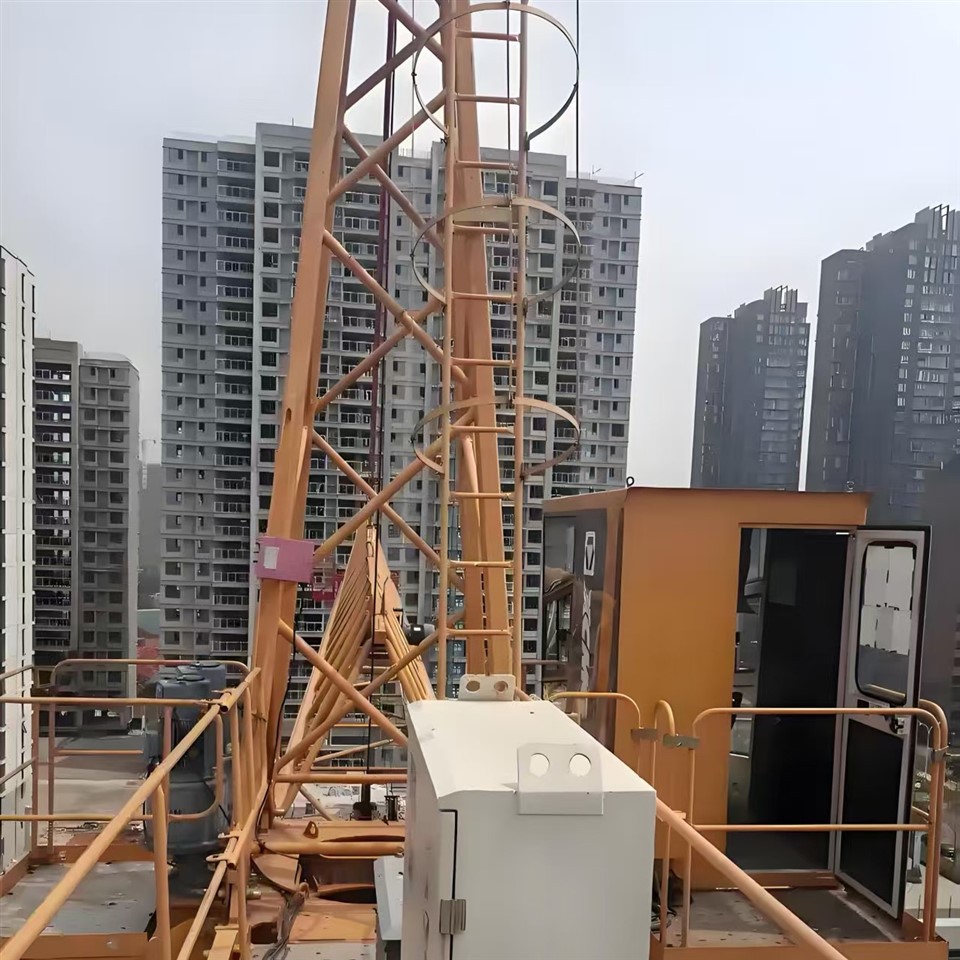
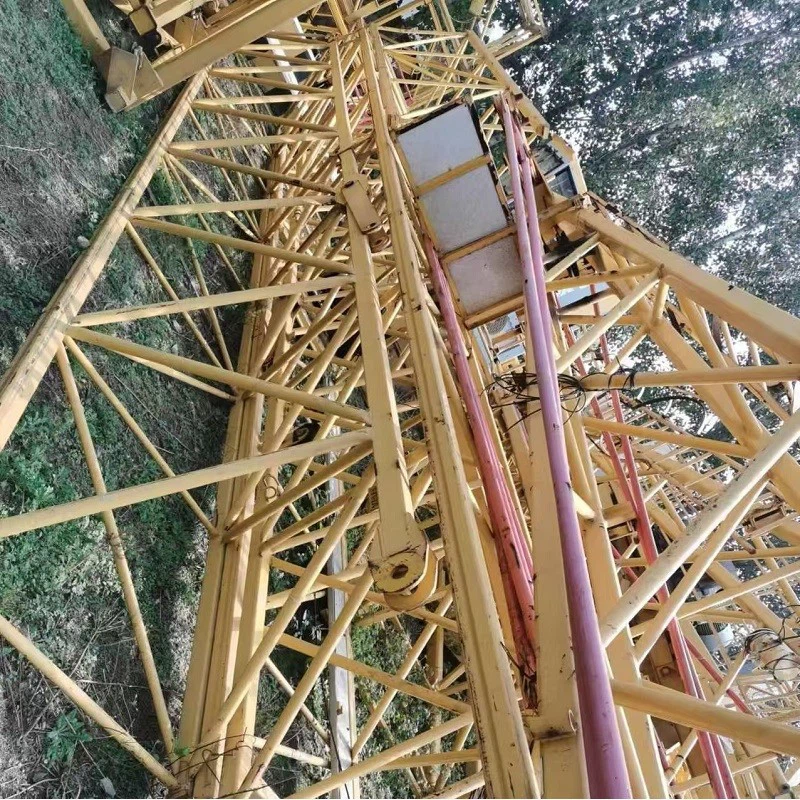
However, it's not all smooth sailing. There are some challenges when using a small tower crane for power plant construction. One of the main issues is the limited lifting capacity. For the really heavy main components like large generators or boilers, a small tower crane may not be sufficient. In such cases, a small tower crane can still play a supporting role, for example, by helping with the assembly and positioning of smaller sub - components before the main lifting operation with a larger crane.
Weather conditions are also a factor. Power plant construction can take place over a long period, and small tower cranes may be more vulnerable to adverse weather compared to larger, more robust cranes. High winds, heavy rain, or extreme temperatures can affect the stability and performance of a small tower crane. But with proper safety measures and maintenance, these risks can be minimized.
Safety is always a top priority in power plant construction. Small tower cranes need to meet strict safety standards. Regular inspections, proper operator training, and the use of safety devices such as load limiters and anti - collision systems are essential. Our small tower cranes are designed and built with these safety features in mind to ensure the well - being of the workers and the success of the construction project.
Cost - effectiveness is another aspect to consider. Using a small tower crane can save on costs in several ways. As mentioned earlier, the transportation costs are lower because of their smaller size. Also, the installation and dismantling of a small tower crane are generally quicker and less labor - intensive, which reduces labor costs. In addition, for smaller - scale power plant projects or for specific tasks within a large project, a small tower crane can provide a cost - efficient solution without the need to rent or purchase a large, more expensive crane.
In conclusion, a small tower crane can definitely be used for power plant construction. While it may not be suitable for all tasks, it has its own advantages and can play a valuable role in the overall construction process. Whether it's for precise positioning, working in tight spaces, or handling secondary equipment, a small tower crane can be a great addition to a power plant construction site.
If you're involved in power plant construction or any other project that requires lifting equipment, and you're considering a small tower crane, don't hesitate to reach out to us. We're here to discuss your specific needs, provide more detailed information about our products, and help you make the best decision for your project. Let's start a conversation and see how our Small Tower Crane can fit into your construction plans.
References
- Construction Equipment Handbook: Covers various types of cranes and their applications in different industries, including power plant construction.
- Power Plant Engineering Journals: Provide case studies and research on the use of different equipment in power plant projects.


