

Hey there! As a supplier of small tower cranes, I often get asked whether these compact machines can be used for industrial construction. Well, let's dive right into it and explore the ins and outs of using small tower cranes in industrial settings.
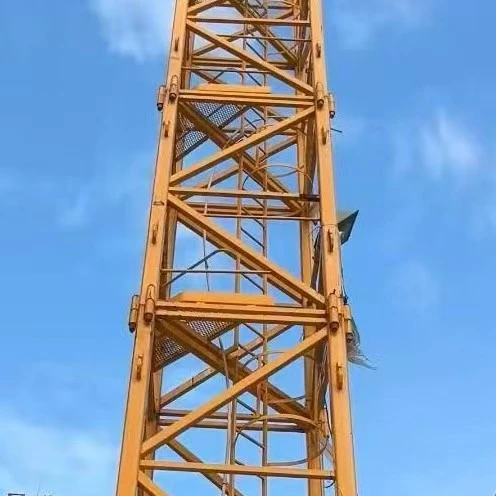
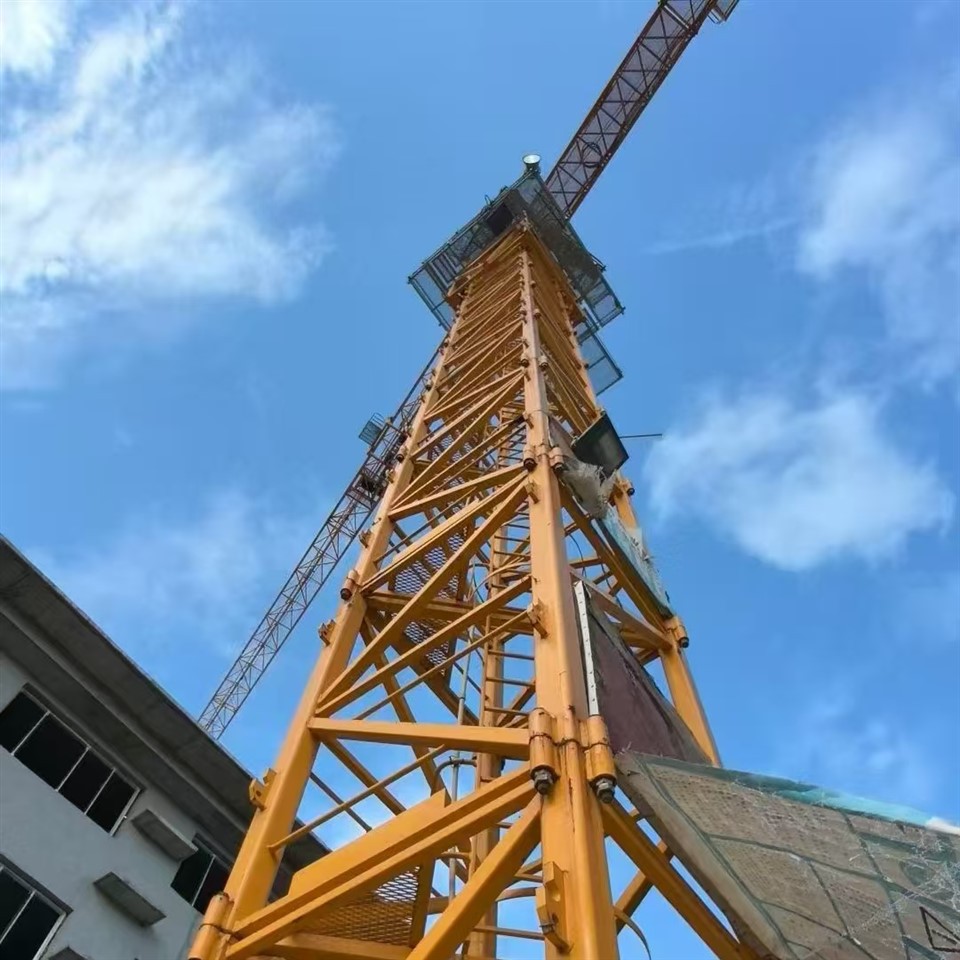
First off, what exactly are small tower cranes? They're basically scaled - down versions of the big, towering cranes you see at large construction sites. They don't take up as much space, are easier to transport, and can be set up more quickly. But the big question is, can they cut it in industrial construction?
One of the main advantages of small tower cranes in industrial construction is their flexibility. Industrial sites can be pretty cramped, with limited space for large equipment. Small tower cranes can be installed in tight corners or in areas where a full - sized crane just won't fit. For example, in a factory expansion project where existing machinery and structures limit space, a small tower crane can be the perfect solution. It can reach areas that larger cranes can't access due to their size.
Another plus is cost - efficiency. Buying or renting a small tower crane is generally much cheaper than its larger counterparts. For smaller industrial construction projects or startups with a tight budget, this can be a game - changer. You don't have to break the bank to get the lifting power you need. You can invest the saved money in other aspects of the project, like raw materials or labor.
Now, let's talk about the types of small tower cranes available. We have the Hydraulic Tower Crane, which you can learn more about here. This type of crane uses hydraulic power to operate, which provides smooth and precise movements. It's great for tasks that require accuracy, such as placing delicate industrial components.
The Tower Head Crane, detailed here, is another option. It has a unique tower head design that offers good load - handling capabilities. This makes it suitable for industrial construction where you need to lift and move heavy items within a local area.
Then there's the Hammerhead Boom Crane, and you can find more info here. With its long, horizontal boom, it can cover a wide area. This is useful in industrial sites where you need to move materials over a large span.
But, of course, small tower cranes aren't without limitations. When it comes to lifting capacity, they can't compete with large tower cranes. In industrial construction, there might be times when you need to lift extremely heavy loads. For instance, moving large industrial machinery or pre - fabricated building sections that weigh several tons. A small tower crane may not have the muscle to handle such heavy items.
Height is also a factor. Industrial buildings can be pretty tall, especially warehouses or multi - story factories. Small tower cranes usually have a limited height reach. If you're constructing a high - rise industrial structure, you may find that they can't lift materials to the upper floors effectively.
However, in many industrial construction scenarios, these limitations don't pose a significant problem. For small - scale industrial projects, like building a small workshop or renovating an existing industrial unit, small tower cranes are more than capable. They can handle the day - to - day lifting tasks, such as moving bricks, steel bars, and small equipment.
Let's take a look at some real - world examples. A local industrial startup was building a small manufacturing plant. They had a limited budget and a relatively small construction area. They opted for a small tower crane, specifically a Hydraulic Tower Crane. It was able to lift and place construction materials accurately, and its compact size didn't interfere with the existing infrastructure on the site. The project was completed on time and within budget, thanks to the right choice of equipment.
Another case is a renovation project in an old industrial building. The space was restricted, and there were many obstacles. A Tower Head Crane was used to lift and install new ventilation systems and electrical components. Its ability to handle different loads and work in a confined area made it the ideal choice for the job.
In terms of safety, small tower cranes are generally safe to use. They come with safety features like overload protection and anti - collision devices. These features ensure that the crane operates safely, protecting both the operators and the surrounding environment. But, like any construction equipment, proper training and maintenance are crucial. Operators need to be trained to use the crane correctly, and regular maintenance checks should be carried out to keep the crane in good working condition.
So, to sum it up, small tower cranes can definitely be used for industrial construction. They offer flexibility, cost - efficiency, and are suitable for many small - to - medium - scale industrial projects. While they do have some limitations in terms of lifting capacity and height reach, these can often be worked around.
If you're involved in an industrial construction project and are considering using a small tower crane, I'd love to chat with you. Whether you have questions about the types of cranes, their capabilities, or pricing, don't hesitate to reach out. We can have a detailed discussion to figure out the best solution for your specific needs.
References
- Construction Equipment Handbook
- Industrial Construction Best Practices Guide


