

In the realm of construction, flat top tower cranes stand as indispensable giants, facilitating the lifting and positioning of heavy materials with precision and efficiency. As a leading supplier of flat top tower cranes, I've witnessed firsthand the critical role these machines play in modern construction projects. One often-overlooked yet vital component of a flat top tower crane is the anemometer. In this blog post, I'll delve into the functions of an anemometer on a flat top tower crane and explain why it's a crucial safety and operational tool.
Understanding the Anemometer
Before we explore its functions, let's first understand what an anemometer is. An anemometer is a device used to measure wind speed and, in some cases, wind direction. There are several types of anemometers, including cup anemometers, propeller anemometers, and ultrasonic anemometers. On flat top tower cranes, the most commonly used type is the cup anemometer, which consists of three or four cups mounted on horizontal arms that rotate around a vertical axis. The rotation speed of the cups is proportional to the wind speed, and this information is then transmitted to the crane's control system.
Safety First: Protecting the Crane and Operators
One of the primary functions of an anemometer on a flat top tower crane is to ensure the safety of the crane, its operators, and the surrounding environment. Wind is a significant factor that can affect the stability and performance of a tower crane. High winds can exert significant forces on the crane's structure, causing it to sway or even collapse if not properly managed. By continuously monitoring the wind speed, the anemometer provides real-time data that allows the crane operator to make informed decisions about whether it's safe to operate the crane.
When the wind speed reaches a certain threshold, typically around 20 to 25 miles per hour (32 to 40 kilometers per hour), the crane operator may need to stop lifting operations and secure the crane to prevent damage. In extreme weather conditions, such as hurricanes or strong storms, the anemometer can trigger an automatic shutdown of the crane to protect it from catastrophic failure. This proactive approach to safety helps to minimize the risk of accidents and ensures the well-being of everyone on the construction site.
Optimizing Crane Performance
In addition to safety, the anemometer also plays a crucial role in optimizing the performance of a flat top tower crane. By providing accurate wind speed data, the anemometer allows the crane operator to adjust the crane's operations to compensate for the effects of wind. For example, when the wind is blowing in a particular direction, the operator can adjust the crane's boom angle and position to minimize the wind's impact on the load being lifted. This not only improves the efficiency of the lifting operations but also reduces the stress on the crane's structure, extending its lifespan.
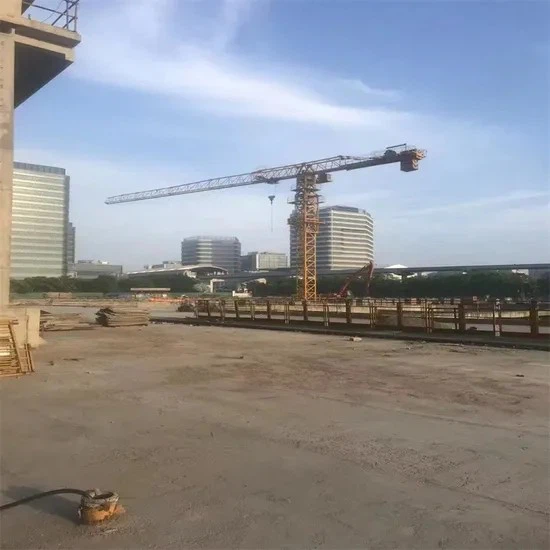

Furthermore, the anemometer can be used to optimize the crane's slewing and luffing operations. By monitoring the wind speed and direction, the operator can determine the most efficient way to rotate the crane's boom and adjust its angle to align with the wind. This helps to reduce the amount of energy required to operate the crane, resulting in lower fuel consumption and operating costs.
Compliance with Regulations and Standards
Another important function of the anemometer on a flat top tower crane is to ensure compliance with industry regulations and standards. In many countries, it is mandatory for tower cranes to be equipped with an anemometer to monitor wind speed and provide a warning to the operator when the wind exceeds safe limits. These regulations are in place to protect the public and ensure the safety of construction workers.
By installing an anemometer on our flat top tower cranes, we are able to provide our customers with a reliable and compliant solution that meets all relevant safety standards. This not only gives our customers peace of mind but also helps them to avoid costly fines and legal issues associated with non-compliance.
Integration with Crane Control Systems
Modern flat top tower cranes are equipped with advanced control systems that are capable of integrating data from various sensors, including the anemometer. This integration allows the crane's control system to automatically adjust the crane's operations based on the wind conditions. For example, if the wind speed increases suddenly, the control system can automatically reduce the lifting capacity of the crane to maintain stability.
The anemometer data can also be used to provide real-time feedback to the crane operator through the crane's display panel. This allows the operator to monitor the wind conditions at all times and make informed decisions about the crane's operations. In addition, the anemometer data can be recorded and stored for later analysis, which can be useful for identifying trends and patterns in wind conditions on a construction site.
Our Flat Top Tower Crane Offerings
As a leading supplier of flat top tower cranes, we offer a wide range of high-quality cranes that are equipped with state-of-the-art anemometers and other safety features. Our Tower Crane 100 Ton is a powerful and reliable crane that is suitable for large-scale construction projects. With a maximum lifting capacity of 100 tons, this crane is capable of handling heavy loads with ease.
We also offer Zoomlion Tower Crane models that are known for their advanced technology and superior performance. These cranes are equipped with the latest anemometer systems that provide accurate and reliable wind speed data, ensuring the safety and efficiency of your construction operations.
If you're looking for a versatile and cost-effective flat top tower crane, our Flat Top Crane is the perfect choice. This crane is designed to be easy to install and operate, making it ideal for small to medium-sized construction projects.
Conclusion
In conclusion, the anemometer is a vital component of a flat top tower crane that plays a crucial role in ensuring safety, optimizing performance, and complying with regulations. By continuously monitoring the wind speed and providing real-time data to the crane's control system, the anemometer allows the crane operator to make informed decisions about when and how to operate the crane safely.
As a supplier of flat top tower cranes, we understand the importance of providing our customers with high-quality cranes that are equipped with the latest safety features. Our cranes are designed to meet the highest standards of safety and performance, and we are committed to helping our customers succeed in their construction projects.
If you're interested in learning more about our flat top tower cranes or have any questions about the function of the anemometer, please don't hesitate to contact us. We would be happy to discuss your specific needs and provide you with a customized solution that meets your requirements.
References
- ASCE 7-16, Minimum Design Loads and Associated Criteria for Buildings and Other Structures
- OSHA 29 CFR 1926 Subpart CC, Cranes and Derricks in Construction
- ISO 4301-1:2016, Cranes - Classification - Part 1: General


