

As a supplier of flat top tower cranes, I understand the importance of meeting environmental requirements when using these powerful machines. Flat top tower cranes are essential in the construction industry, offering high lifting capacities and efficient operations. However, their usage must be carefully managed to minimize environmental impact. In this blog post, I will discuss the key environmental requirements for using a flat top tower crane.
1. Noise Pollution
One of the primary environmental concerns when operating a flat top tower crane is noise pollution. Construction sites are often located in urban or residential areas, where excessive noise can disrupt the lives of nearby residents. To address this issue, modern flat top tower cranes are designed with noise - reducing features.
The motors and mechanical components of the crane are engineered to operate as quietly as possible. For example, the use of advanced gearbox designs and vibration - dampening materials can significantly reduce the noise generated during crane operation. Additionally, proper maintenance of the crane is crucial. Regular lubrication of moving parts, inspection of belts and chains, and replacement of worn - out components can prevent unnecessary noise caused by friction and mechanical failures.
When setting up a flat top tower crane on a construction site, it is important to consider the location in relation to noise - sensitive areas. If possible, the crane should be positioned away from residential buildings, schools, and hospitals. Furthermore, the construction schedule can be adjusted to avoid operating the crane during early morning or late - night hours when noise restrictions are typically more stringent.
2. Air Quality
Flat top tower cranes can have an impact on air quality, especially if they are powered by diesel engines. Diesel engines emit pollutants such as particulate matter (PM), nitrogen oxides (NOx), and carbon monoxide (CO). These pollutants can contribute to smog formation, respiratory problems, and other environmental and health issues.
To mitigate the impact on air quality, many modern flat top tower cranes are available with electric power options. Electric Tower Crane eliminates the need for diesel fuel, resulting in zero emissions at the point of use. Electric cranes are not only more environmentally friendly but also offer quieter operation and lower operating costs in the long run.
For cranes that still use diesel engines, proper maintenance is essential. Regular servicing of the engine, including oil changes, air filter replacements, and fuel system inspections, can ensure that the engine operates efficiently and emits fewer pollutants. Additionally, the use of low - sulfur diesel fuel can help reduce emissions of sulfur dioxide (SO2) and particulate matter.
3. Energy Efficiency
Energy efficiency is an important environmental consideration when using a flat top tower crane. These cranes consume a significant amount of energy during operation, and improving energy efficiency can reduce both costs and environmental impact.
Modern flat top tower cranes are equipped with advanced control systems that optimize energy consumption. For example, variable frequency drives (VFDs) can adjust the speed of the crane's motors according to the load requirements, reducing energy waste. Additionally, regenerative braking systems can capture and reuse the energy generated during the lowering of the load, further improving energy efficiency.
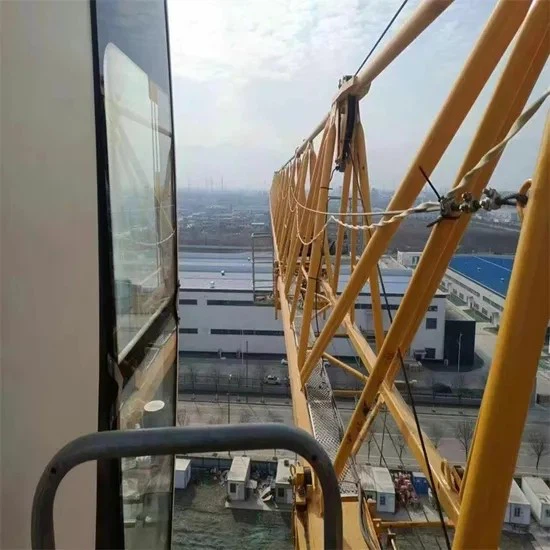

As a supplier, we offer Flat Top Crane models that are designed with energy - saving features. Our cranes are engineered to provide maximum lifting capacity with minimum energy consumption, helping our customers reduce their carbon footprint and operating costs.
4. Waste Management
During the installation, operation, and dismantling of a flat top tower crane, waste is generated. This waste can include packaging materials, used lubricants, and worn - out components. Proper waste management is necessary to prevent environmental contamination.
On the construction site, waste should be segregated into different categories such as recyclables, hazardous waste, and general waste. Recycling programs should be established to ensure that materials such as steel, aluminum, and plastic are recycled rather than sent to landfills. Hazardous waste, such as used lubricants and batteries, should be collected and disposed of in accordance with local environmental regulations.
When it comes to the end - of - life of the crane, proper decommissioning and recycling processes should be followed. Many components of the flat top tower crane, such as the steel structure and electrical components, can be recycled. By recycling these materials, we can conserve natural resources and reduce the environmental impact of crane manufacturing.
5. Site Stability and Erosion Control
The installation of a flat top tower crane requires a stable foundation. If the foundation is not properly designed and installed, it can lead to soil erosion and instability. This can have a negative impact on the surrounding environment, including damage to nearby vegetation and water bodies.
Before installing the crane, a geotechnical survey should be conducted to assess the soil conditions at the site. Based on the survey results, an appropriate foundation design should be selected to ensure the stability of the crane. The foundation should be constructed in a way that minimizes soil disturbance and erosion.
During the construction process, erosion control measures should be implemented. This can include the use of sediment barriers, erosion - control blankets, and revegetation of disturbed areas. By preventing soil erosion, we can protect water quality in nearby streams and rivers and maintain the ecological balance of the area.
6. Impact on Wildlife and Vegetation
Construction sites with flat top tower cranes can have an impact on wildlife and vegetation. The presence of the crane and the associated construction activities can disrupt the natural habitat of animals and damage vegetation.
To minimize this impact, a wildlife and vegetation assessment should be conducted before the start of construction. If there are protected species or sensitive habitats in the area, appropriate mitigation measures should be implemented. This can include creating wildlife corridors, relocating animals if necessary, and replanting vegetation in nearby areas.
During construction, workers should be educated about the importance of protecting wildlife and vegetation. They should be trained to avoid disturbing nests, habitats, and sensitive plant species. By taking these precautions, we can ensure that the use of flat top tower cranes is compatible with the preservation of the natural environment.
Conclusion
As a supplier of flat top tower cranes, we are committed to providing our customers with products that meet the highest environmental standards. By considering the environmental requirements such as noise pollution, air quality, energy efficiency, waste management, site stability, and impact on wildlife and vegetation, we can ensure that the use of our cranes is both sustainable and responsible.
If you are in the market for a flat top tower crane and are concerned about environmental impact, we invite you to explore our range of Yongmao Tower Crane models. Our cranes are designed to offer excellent performance while minimizing their environmental footprint. Contact us today to discuss your specific requirements and start a procurement negotiation.
References
- Construction Industry Institute. (20XX). Environmental Best Practices in Construction.
- International Organization for Standardization. (20XX). ISO 14001: Environmental Management Systems.
- United States Environmental Protection Agency. (20XX). Construction and Demolition Waste Management.


