

Hey there! As a supplier of luffing tower cranes, I've seen my fair share of situations where having the right emergency procedures in place can make all the difference. In this blog, I'll walk you through what those emergency procedures are and why they're so important.
First off, let's talk about what a luffing tower crane is. If you're not familiar, a Luffing Jib Tower Crane is a type of crane with a jib that can be raised or lowered. This makes it really useful in tight spaces or areas with lots of obstacles. We also offer Large Tower Crane and Potain Luffing Tower Crane options for different job requirements.
Pre - emergency Preparation
Before any emergency happens, there are a bunch of things that need to be done. First, regular inspections are a must. We recommend daily pre - shift inspections by the crane operator. They should check things like the wire ropes, brakes, and the structural integrity of the crane. Any signs of wear and tear, such as frayed ropes or loose bolts, should be reported immediately.
Training is another crucial part. All crane operators should be properly trained and certified. They need to know how to operate the crane safely under normal conditions, but also what to do in case of an emergency. We provide training materials and support to our customers to ensure their operators are well - prepared.
It's also important to have an emergency plan in place. This plan should cover different types of emergencies, like power failures, fires, or mechanical failures. The plan should be posted in a visible location near the crane controls and all operators should be familiar with it.
Emergency Procedures for Power Failures
Power failures can be really scary when you're operating a luffing tower crane. The first thing the operator should do is stay calm. Panicking won't solve anything. They should then try to use the emergency stop button to halt all crane movements.
If the power doesn't come back on quickly, the operator needs to secure the load. If possible, they should try to lower the load to the ground in a controlled manner. This might involve using the emergency lowering system, which is designed to work even without power in some cases.
Once the load is secure, the operator should contact the maintenance team or the relevant supervisor. They'll need to figure out the cause of the power failure and work on getting the crane back up and running.
Fire Emergencies
Fires on a luffing tower crane can spread quickly and are extremely dangerous. If a fire breaks out, the operator should immediately activate the fire alarm if there is one. Then, they need to try to extinguish the fire using the on - board fire extinguishers if it's small and manageable.
However, if the fire is getting out of control, the operator should abandon the crane. They should follow the pre - planned evacuation route and make sure to alert other workers in the area. The fire department should be called right away.
After the fire is extinguished, a thorough inspection of the crane should be carried out. There could be hidden damage that needs to be repaired before the crane can be used again.
Mechanical Failures
Mechanical failures can range from a simple part breakdown to a major structural issue. If the operator notices any strange noises, vibrations, or malfunctions during operation, they should stop the crane immediately.
They should then assess the situation. If it's a minor issue, like a loose belt, they might be able to fix it themselves if they have the proper tools and knowledge. But for more serious problems, like a failed brake or a damaged gearbox, they should not attempt to fix it on their own.
Instead, they should contact the maintenance team. The maintenance team will need to isolate the problem, order the necessary replacement parts if needed, and carry out the repairs. In some cases, the crane might need to be taken out of service for a while until it's fully repaired.
Structural Damage Emergencies
Structural damage to a luffing tower crane is extremely serious. If the operator suspects any structural issues, such as a bent mast or a cracked jib, they should stop the crane right away and evacuate the area.
A professional structural engineer should be called in to assess the damage. They'll need to determine if the crane can be repaired or if it needs to be decommissioned. This is not a decision that can be made lightly, as the safety of everyone on the job site depends on it.
Post - emergency Actions
After an emergency is over, there are still a lot of things to do. A debriefing session should be held with all the involved parties, including the operator, the maintenance team, and the supervisors. They should discuss what happened, what went well, and what could have been done better.

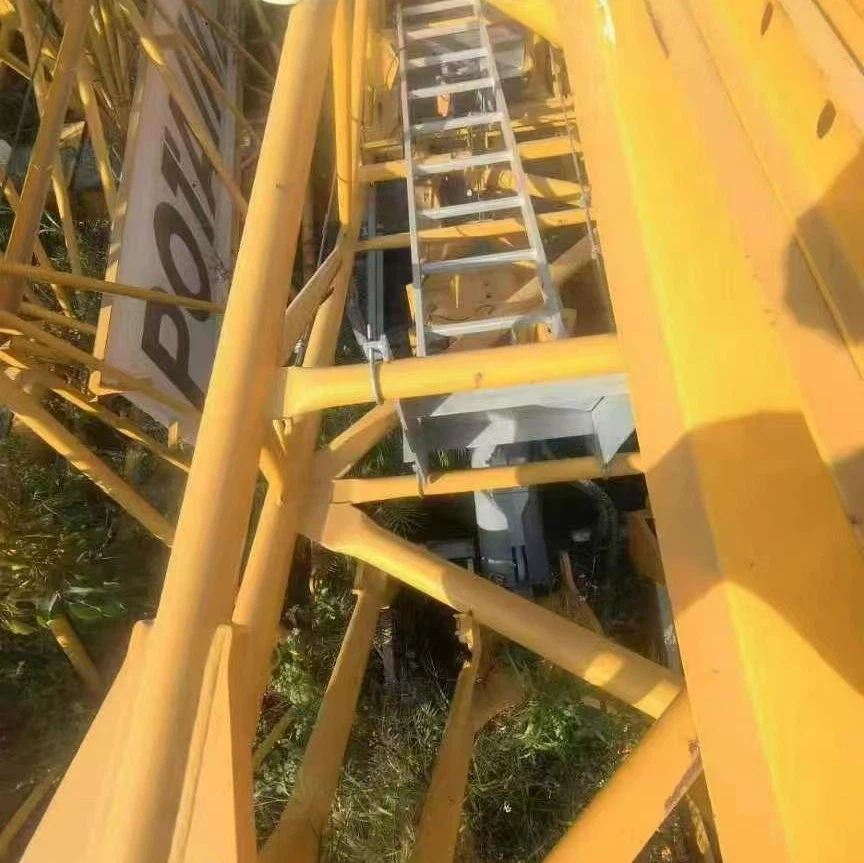
The crane should be thoroughly inspected and tested before it's put back into service. This might involve non - destructive testing methods to check for any hidden damage.
Finally, the emergency plan should be reviewed and updated if necessary. Based on the lessons learned from the emergency, changes can be made to improve the response in future situations.
Why These Procedures Matter
You might be wondering why all these emergency procedures are so important. Well, for starters, they save lives. Operating a luffing tower crane is a high - risk job, and having proper emergency procedures can prevent accidents from turning into disasters.
They also protect the investment. A luffing tower crane is a big - ticket item. By following the emergency procedures, we can minimize the damage to the crane and get it back in operation as soon as possible.
Moreover, it's a legal requirement in many places. Construction sites need to have proper safety measures in place to comply with local regulations.
Contact Us for More Information
If you're in the market for a luffing tower crane or want to learn more about our emergency procedures and training support, we'd love to hear from you. Whether you're interested in our Large Tower Crane, Luffing Jib Tower Crane, or Potain Luffing Tower Crane options, we're here to help. Just reach out to us and we can start the conversation about your specific needs.
References
- "Tower Crane Safety Manual", Industry Standard Publication
- "Crane Operation and Maintenance Guide", Manufacturer's Handbook


