

Hey there! I'm working as a supplier for luffing tower cranes, and I often get asked about how to improve the stability of these beasts on soft ground. It's a crucial question, especially considering that construction sites aren't always blessed with rock - solid foundations. So, let's dig into this topic and explore some practical ways to make sure our luffing tower cranes stand tall and steady, even on less - than - ideal ground.
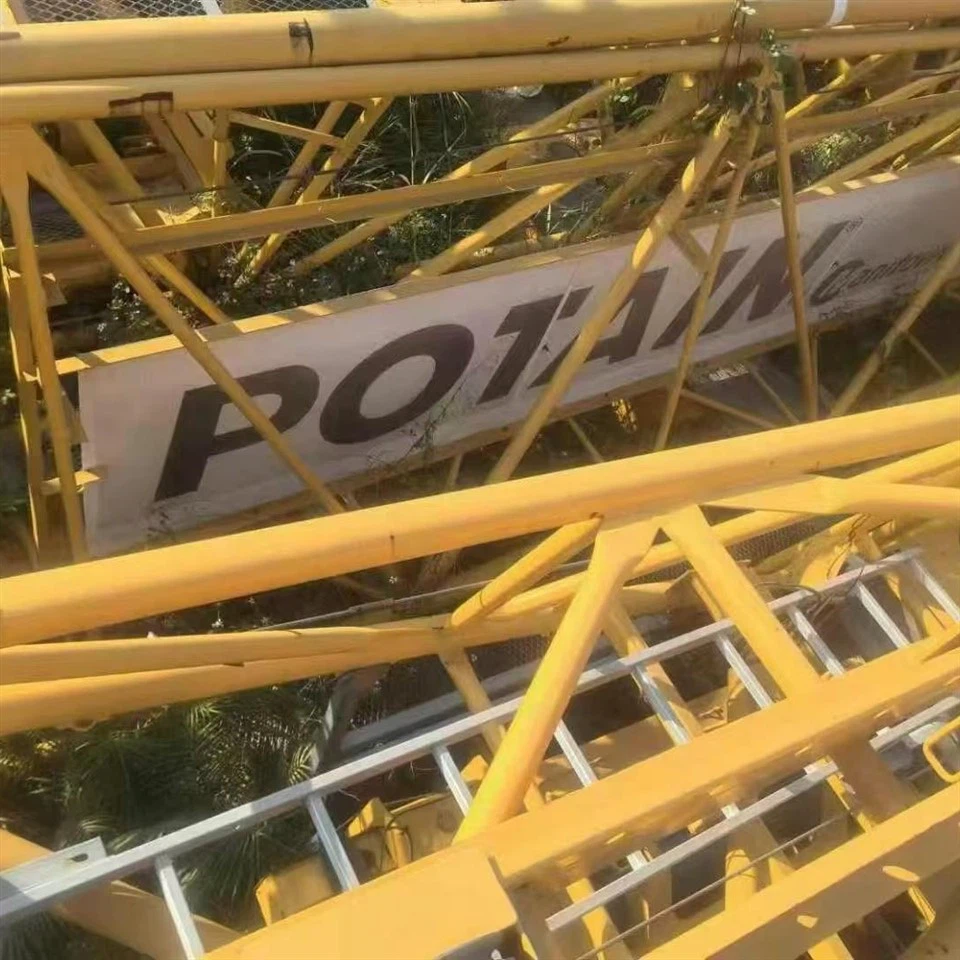
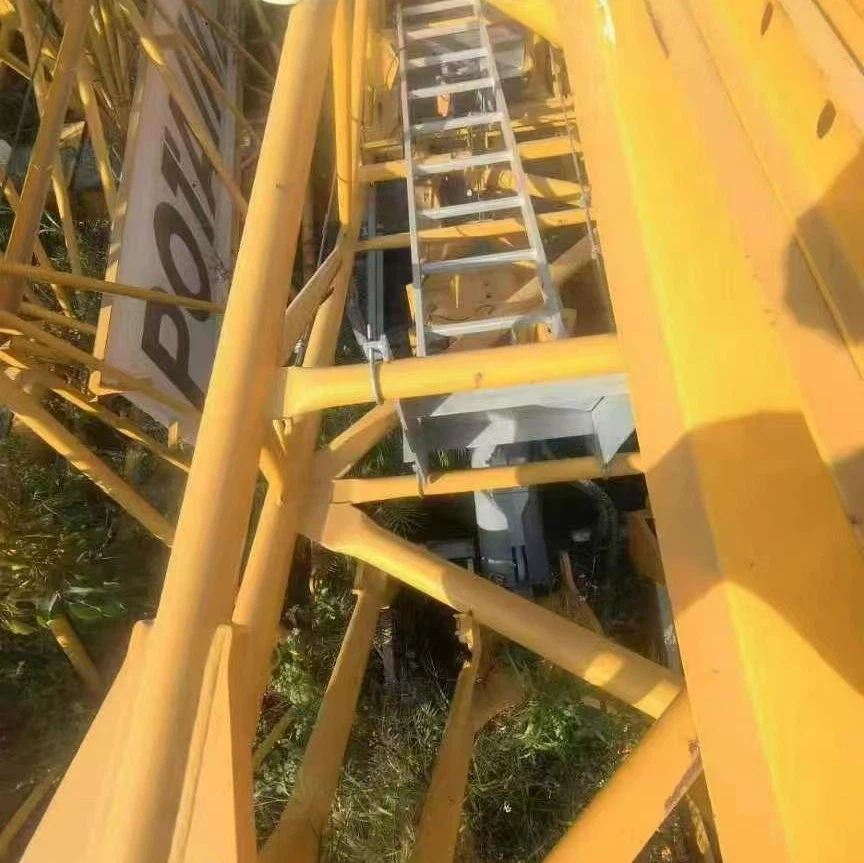
First off, let's understand the challenges. Soft ground lacks the necessary bearing capacity to support the heavy loads and dynamic forces exerted by a luffing tower crane. This can lead to issues like uneven settlement, tilting, and in the worst - case scenario, a crane collapse. To address these problems, we need to take a multi - pronged approach.
Ground Improvement
One of the most effective ways to enhance the stability of a luffing tower crane on soft ground is through ground improvement techniques. There are several methods available, and the choice depends on factors such as the type of soil, the depth of the soft layer, and the cost.
Soil Compaction
Compacting the soil at the crane foundation site can significantly increase its bearing capacity. This can be done using various equipment, such as vibratory rollers or plate compactors. By applying pressure to the soil, we reduce the voids between soil particles, making the ground denser and more stable. For example, if the soil is sandy or silty, vibratory compaction can be a great option. It works by inducing vibrations that cause the soil particles to rearrange and settle more closely together.
Deep Soil Mixing
In cases where the soft soil layer is relatively thick, deep soil mixing can be a game - changer. This method involves mixing the in - situ soil with a cementitious or chemical binder to form columns or blocks of improved soil. The strengthened soil columns then act as support elements for the crane foundation. Deep soil mixing can improve the shear strength and reduce the compressibility of the soft soil, providing a more stable base for the luffing tower crane. You can learn more about different types of cranes, including Luffing Jib Tower Crane, which are often used in construction projects with these ground improvement needs.
Ground Reinforcement with Geosynthetics
Geosynthetics, such as geotextiles and geogrids, can also be used to reinforce the soft ground. These materials are placed between the soil layers to distribute the loads more evenly and increase the soil's stability. Geotextiles can act as a filter, preventing the migration of fine soil particles, while geogrids provide tensile strength and help to confine the soil. When used in combination with other ground improvement methods, geosynthetics can enhance the overall performance of the crane foundation.
Foundation Design
Once the ground has been improved, the next step is to design a suitable foundation for the luffing tower crane. The foundation should be able to transfer the crane loads to the ground in a safe and efficient manner.
Spread Footings
Spread footings are a common type of foundation for luffing tower cranes. They consist of a large, flat concrete slab that spreads the crane loads over a larger area of the ground. The size and thickness of the spread footing depend on the crane's load capacity, the soil's bearing capacity, and the allowable settlement. By increasing the contact area between the foundation and the ground, spread footings reduce the pressure on the soil, minimizing the risk of settlement and instability.
Pile Foundations
In cases where the soil's bearing capacity is extremely low or the crane loads are very high, pile foundations may be required. Piles are long, slender columns that are driven or drilled into the ground to transfer the loads to a deeper, more stable soil layer. There are different types of piles, such as driven piles, bored piles, and screw piles. The choice of pile type depends on factors like soil conditions, construction site access, and cost. Pile foundations can provide a high - capacity and stable support system for luffing tower cranes on soft ground. You can find more information about the use of cranes in construction on our Construction Building Crane page.
Crane Setup and Operation
Even with a well - designed foundation and improved ground conditions, proper crane setup and operation are essential for maintaining stability.
Leveling the Crane
Before starting the crane, it's crucial to ensure that it is properly leveled. An unevenly leveled crane can cause unequal loading on the foundation, leading to settlement and instability. Most luffing tower cranes are equipped with leveling devices, such as spirit levels or electronic sensors, to help operators achieve a level position. By following the manufacturer's instructions and using the appropriate leveling tools, we can minimize the risk of problems during crane operation.
Load Management
Another important aspect is load management. Operators should always be aware of the crane's load capacity and avoid overloading. Overloading can put excessive stress on the crane structure and the foundation, increasing the likelihood of failure. Additionally, the way the load is distributed and lifted can also affect the crane's stability. For example, lifting a load at an extreme radius or with an unbalanced load can cause the crane to tilt. By following safe lifting practices and using load - limiting devices, we can ensure that the luffing tower crane operates within its safe limits.
Monitoring and Maintenance
Finally, continuous monitoring and maintenance are key to ensuring the long - term stability of a luffing tower crane on soft ground.
Settlement Monitoring
Regular settlement monitoring of the crane foundation can help detect any signs of excessive settlement or uneven movement. This can be done using techniques such as surveying or installing settlement gauges. By monitoring the settlement over time, we can identify potential problems early and take corrective actions before they become serious. For example, if the settlement exceeds the allowable limits, additional ground improvement or foundation reinforcement may be required.
Structural Inspections
In addition to settlement monitoring, regular structural inspections of the crane are also necessary. These inspections can help detect any signs of wear, damage, or fatigue in the crane structure. By identifying and addressing these issues promptly, we can prevent structural failures and ensure the safe operation of the luffing tower crane. You can learn more about the use of cranes in high - rise building projects on our Tower Crane for High Rise Building page.
In conclusion, improving the stability of a luffing tower crane on soft ground requires a comprehensive approach that includes ground improvement, proper foundation design, correct crane setup and operation, and continuous monitoring and maintenance. By following these steps, we can ensure that our luffing tower cranes operate safely and efficiently, even in challenging ground conditions.
If you're in the market for a luffing tower crane or have any questions about crane stability on soft ground, I'd love to have a chat with you. Feel free to reach out to discuss your specific needs and how we can help you find the best solution for your construction project.
References
- Bowles, J. E. (1996). Foundation analysis and design. McGraw - Hill.
- Coduto, D. P., Kitch, K. L., & Stuedlein, A. M. (2011). Foundation design: principles and practices. Pearson.
- Tomlinson, M. J., & Woodward, J. (2008). Pile design and construction practice. Spon Press.


