

Sudden power failures can be a significant concern in construction sites, especially when it comes to construction hoists. As a reputable construction hoist supplier, I understand the potential risks and challenges that such an event can pose. In this blog post, I'll share some practical tips on how to handle the sudden power failure of a construction hoist, ensuring the safety of workers and the efficient operation of your construction project.
Understanding the Risks
Before delving into the solutions, it's essential to understand the risks associated with a sudden power failure in a construction hoist. When the power goes out, the hoist may come to an abrupt stop, leaving workers stranded inside the cabin. This can be a terrifying experience for the workers, and it also poses a safety risk. If the hoist is not properly secured, it may start to descend or ascend uncontrollably, leading to potential accidents.
Immediate Actions
When a power failure occurs, the first thing to do is to remain calm. Panicking will only make the situation worse. Here are the immediate actions that should be taken:
- Activate the Emergency Stop Button: Most construction hoists are equipped with an emergency stop button. Press this button as soon as the power failure is detected to prevent any unintended movement of the hoist.
- Notify the Site Supervisor: Inform the site supervisor or the person in charge of the construction site about the power failure. They can then take appropriate measures to address the situation, such as arranging for a backup power supply or contacting a technician.
- Check the Safety Devices: Ensure that all the safety devices on the hoist, such as the safety brakes and limit switches, are functioning properly. These devices are designed to prevent the hoist from falling or moving in an unsafe manner.
- Communicate with the Workers Inside the Cabin: Use the communication system in the hoist to talk to the workers inside the cabin. Reassure them that everything is under control and that help is on the way.
Backup Power Solutions
One of the most effective ways to handle a sudden power failure is to have a backup power supply in place. Here are some common backup power solutions for construction hoists:
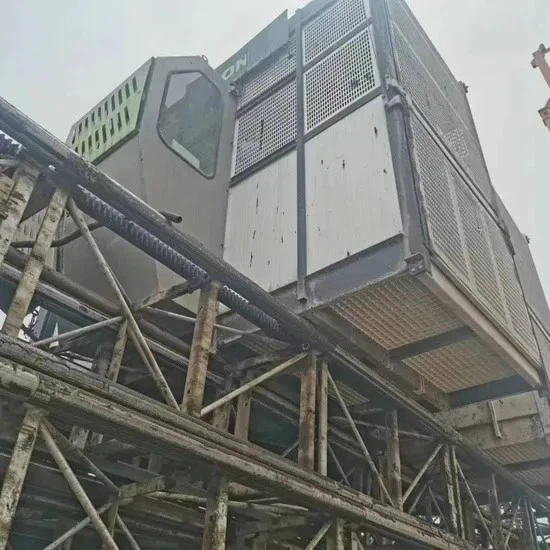
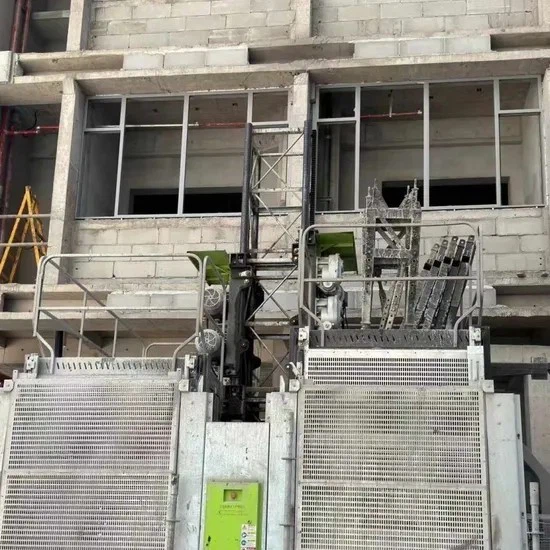
- Generator: A generator can be used to provide temporary power to the hoist. Make sure the generator is properly sized and installed to meet the power requirements of the hoist. It's also important to test the generator regularly to ensure it is in good working condition.
- Uninterruptible Power Supply (UPS): A UPS can provide short-term power to the hoist in the event of a power failure. It can keep the hoist running for a few minutes, allowing the workers to safely descend to the ground. UPS systems are typically used in conjunction with a generator to provide continuous power.
- Battery-Powered Hoists: Some construction hoists are designed to be powered by batteries. These hoists can operate independently of the main power supply, making them a reliable option in case of a power failure.
Manual Lowering Procedures
In some cases, it may be necessary to manually lower the hoist to the ground. This should only be done by trained personnel following the manufacturer's instructions. Here are the general steps for manual lowering:
- Locate the Manual Lowering Device: Most construction hoists are equipped with a manual lowering device, such as a hand pump or a winch. Locate this device and make sure it is in good working condition.
- Follow the Manufacturer's Instructions: Refer to the hoist's manual for the specific steps on how to manually lower the hoist. These instructions may vary depending on the make and model of the hoist.
- Lower the Hoist Slowly and Carefully: Use the manual lowering device to slowly and carefully lower the hoist to the ground. Make sure to monitor the hoist's movement and stop if any problems are detected.
Preventive Measures
Preventing a sudden power failure is always better than dealing with its consequences. Here are some preventive measures that can be taken to reduce the risk of power failures in construction hoists:
- Regular Maintenance: Schedule regular maintenance for the hoist to ensure that all its components are in good working condition. This includes checking the electrical system, lubricating the moving parts, and inspecting the safety devices.
- Power Quality Monitoring: Install a power quality monitoring system to detect any fluctuations or abnormalities in the power supply. This can help identify potential problems before they cause a power failure.
- Surge Protection: Install surge protection devices to protect the hoist's electrical system from power surges. These devices can prevent damage to the hoist's components and reduce the risk of power failures.
- Training and Education: Provide training and education to the workers who operate the hoist. Make sure they are familiar with the hoist's operation, safety procedures, and emergency protocols.
Conclusion
Handling the sudden power failure of a construction hoist requires a combination of immediate actions, backup power solutions, manual lowering procedures, and preventive measures. By following these tips, you can ensure the safety of your workers and the efficient operation of your construction project. At [Our Company], we are committed to providing high-quality construction hoists and comprehensive support to our customers. If you have any questions or need further assistance, please don't hesitate to [Contact Us]. We offer a wide range of construction hoists, including Construction Elevator Lift, Construction Goods Hoist, and Building Hoist Lift. Our team of experts is always ready to help you choose the right hoist for your project and provide you with the necessary training and support.
References
- Construction Hoist Manufacturer's Manuals
- Occupational Safety and Health Administration (OSHA) Guidelines
- Industry Best Practices for Construction Hoist Safety


