

Hey there! As a supplier of Heavy Lift Tower Cranes, I've seen firsthand how crucial it is to ensure the stability of these beasts during operation. Heavy lift tower cranes are the workhorses of construction sites, capable of hoisting massive loads to great heights. But with great power comes great responsibility, and that means making sure these cranes stay stable and safe while they're doing their thing.
Let's start with the basics. Before you even fire up a Heavy Lift Tower Crane [/tower-crane/luffing-tower-crane/heavy-lift-tower-crane.html], you need to do a thorough site assessment. The ground where the crane will be set up needs to be solid and level. If the ground is soft or uneven, it can cause the crane to tilt or sink, which is a recipe for disaster. You might need to do some ground improvement work, like compacting the soil or installing a concrete pad, to make sure the crane has a stable foundation.
Another important factor is the crane's counterweight. Counterweights are essential for balancing the load that the crane is lifting. If the counterweight is not properly configured, the crane can become top - heavy and tip over. When you're setting up the crane, make sure you follow the manufacturer's specifications for the correct amount and placement of the counterweights. It's not something you can just eyeball; precision is key here.
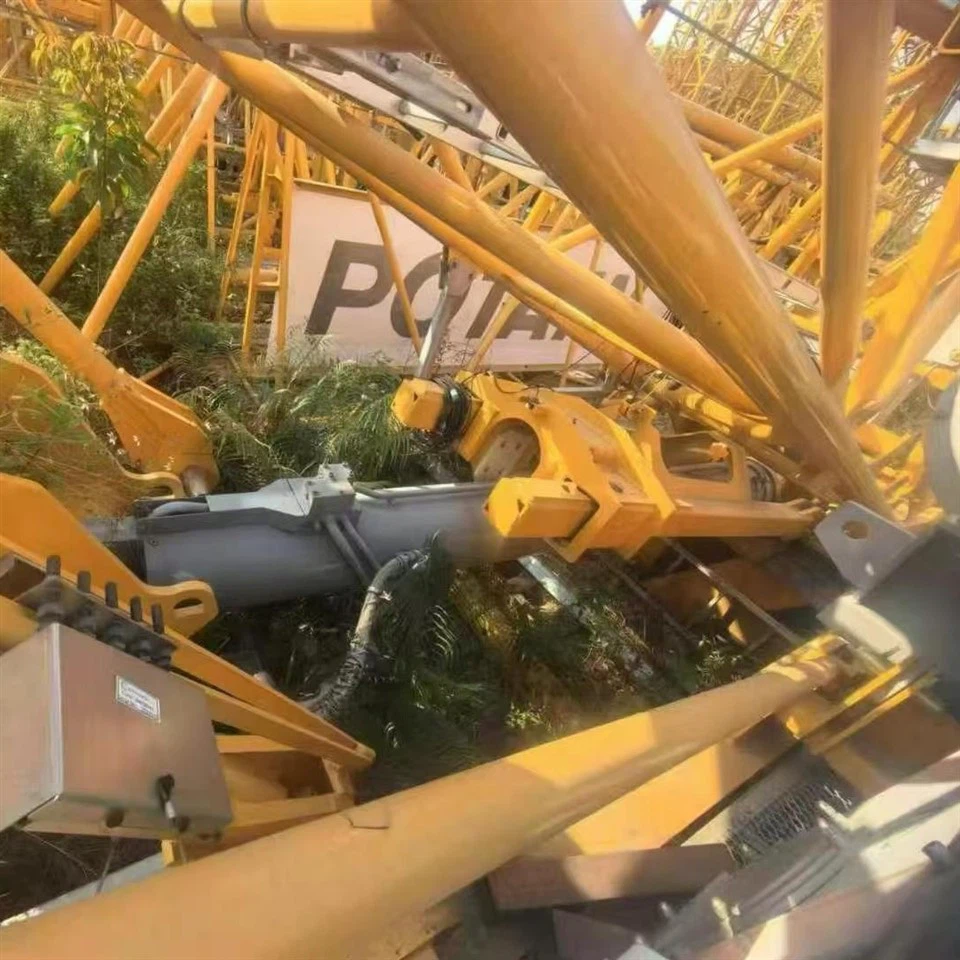

Now, let's talk about the crane's jib. The jib is the long, horizontal arm of the crane that extends out from the tower. There are different types of jibs, like the Luffing Jib Tower Crane [/tower-crane/luffing-tower-crane/luffing-jib-tower-crane.html]. A luffing jib can be raised and lowered, which gives it more flexibility in tight spaces. But no matter what type of jib you're using, you need to be careful about how far you extend it. The longer the jib is extended, the more stress it puts on the crane, and the more likely it is to become unstable. Always stay within the crane's rated capacity for jib extension.
Wind is also a major factor that can affect the stability of a heavy lift tower crane. High winds can push the crane around, especially when it has a large load suspended from the jib. Before you start operating the crane, check the weather forecast. If there are strong winds expected, it might be a good idea to hold off on the lift until the weather improves. And even during normal operation, keep an eye on the wind speed. Most cranes have a maximum wind speed at which they can safely operate, and you should never exceed that limit.
Regular maintenance is another must - do for ensuring crane stability. Just like any other piece of heavy machinery, a tower crane needs to be inspected and maintained on a regular basis. This includes checking the cables, pulleys, and hydraulic systems for wear and tear. A worn - out cable can snap, and a faulty hydraulic system can cause the crane to malfunction, both of which can lead to instability. Make sure you have a qualified technician perform these maintenance checks at least once a month, or more often if the crane is being used in harsh conditions.
Operator training is perhaps the most important aspect of all. A well - trained operator knows how to handle the crane properly, how to read the load charts, and how to react to different situations. They understand the importance of stability and know how to make adjustments on the fly to keep the crane safe. At our company, we always recommend that crane operators undergo comprehensive training programs. And not just the initial training; they should also participate in regular refresher courses to stay up - to - date on the latest safety procedures.
When it comes to choosing a heavy lift tower crane, you might want to consider a Potain Luffing Tower Crane [/tower-crane/luffing-tower-crane/potain-luffing-tower-crane.html]. Potain is a well - known brand in the crane industry, and their luffing tower cranes are known for their reliability and stability. They have advanced features that help to ensure safe and stable operation, such as load moment indicators that tell the operator when the crane is approaching its maximum capacity.
In addition to all these technical aspects, you also need to have a good safety plan in place. This should include emergency procedures in case something goes wrong, like what to do if the crane starts to tip or if there's a mechanical failure. All workers on the construction site should be aware of the safety plan and know what their roles are in an emergency.
To sum it up, ensuring the stability of a heavy lift tower crane during operation is a multi - faceted process. It involves proper site preparation, correct counterweight configuration, careful jib management, monitoring of environmental conditions, regular maintenance, well - trained operators, and a solid safety plan. By following these steps, you can minimize the risk of accidents and keep your crane running smoothly.
If you're in the market for a heavy lift tower crane, or if you have any questions about crane stability, don't hesitate to reach out. We're here to help you make the right choice and ensure that your construction projects are as safe and efficient as possible. Whether you're a small - scale builder or a large construction company, we've got the expertise and the equipment to meet your needs. Let's start a conversation and see how we can work together to get your projects off the ground.
References:
- Crane Manufacturer's Manuals
- Occupational Safety and Health Administration (OSHA) Guidelines for Tower Crane Operation
- Industry Standards for Heavy Machinery Maintenance


