

Yo, folks! As a supplier of luffing tower cranes, I've seen firsthand how these bad boys can tackle all sorts of terrains. In this blog, I'm gonna break down how luffing tower cranes adapt to different landscapes, and why they're a game - changer in the construction world.
1. Understanding the Basics of Luffing Tower Cranes
First off, let's get on the same page about what a luffing tower crane is. It's a type of crane with a jib that can be raised and lowered, or "luffed." This feature gives it a major edge when it comes to working in tight spaces or areas with height restrictions. Unlike other cranes, a luffing tower crane can adjust its jib angle to avoid obstacles and work efficiently.

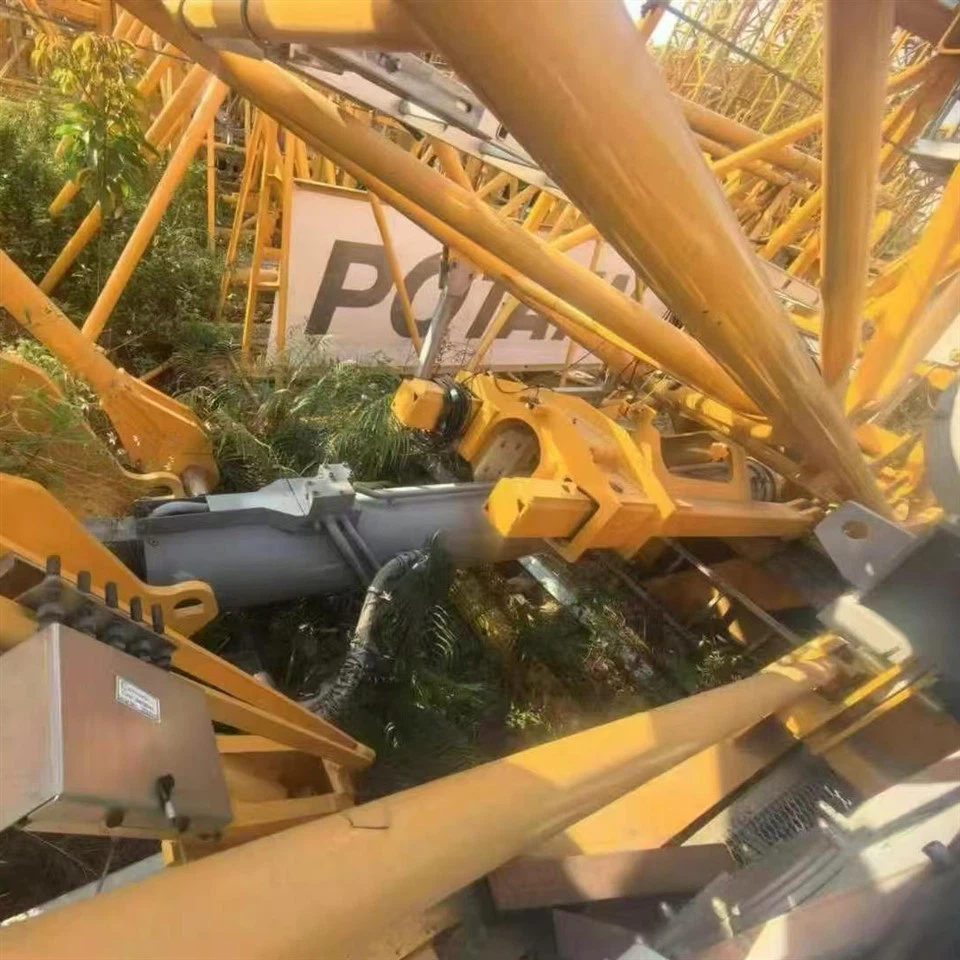
If you're curious about some top - notch luffing tower cranes, check out the Potain Luffing Tower Crane. These cranes are known for their reliability and performance, and they're a great example of what a high - quality luffing tower crane can do.
2. Adapting to Flat and Stable Terrains
On flat and stable ground, luffing tower cranes are like fish in water. The stable foundation allows for easy installation and setup. The crane can be firmly anchored to the ground, providing a solid base for lifting heavy loads.
When it comes to operation, the flat terrain gives the crane plenty of room to maneuver. The jib can be extended and retracted smoothly, and the crane can rotate a full 360 degrees without any issues. This makes it ideal for large - scale construction projects on flat land, like building commercial complexes or industrial parks.
For those big - scale projects, our Large Tower Crane is a perfect fit. It has the capacity to handle huge loads and can work efficiently on flat terrains, getting the job done in no time.
3. Dealing with Uneven Terrains
Uneven terrains are a whole different ballgame, but luffing tower cranes are up for the challenge. When the ground is bumpy or sloped, the first step is to level the base as much as possible. This might involve using special foundation systems or leveling pads to ensure the crane is stable.
The luffing feature of the crane becomes even more crucial on uneven ground. The operator can adjust the jib angle to compensate for the slope and keep the load level. This not only makes the lifting process safer but also more efficient.
Let's say you're building on a hilly site. The crane can be positioned in such a way that the jib can reach different levels of the construction area. The ability to luff the jib up and down allows the crane to work around the natural contours of the land, avoiding the need to level large areas of the site.
Our Heavy Lift Tower Crane is designed to handle these tough situations. It has a robust structure and advanced control systems that can adapt to uneven terrains and lift heavy loads with ease.
4. Working in Coastal and Marshy Areas
Coastal and marshy areas present unique challenges due to the soft and unstable ground. The soil in these areas is often saturated with water, which can cause the crane to sink if not properly supported.
To deal with this, we use special foundation systems like pile foundations. Piles are driven deep into the ground to reach more stable layers, providing a solid support for the crane. The crane's base is then attached to these piles, ensuring stability even in soft ground conditions.
In addition, the luffing tower crane's design helps it work efficiently in these areas. The ability to adjust the jib angle allows the crane to reach over water or other obstacles, making it suitable for coastal construction projects such as building ports or offshore wind farms.
5. Operating in Mountainous Regions
Mountainous regions are some of the most challenging terrains for construction. The steep slopes, narrow valleys, and limited access make it difficult to transport and install heavy equipment.
However, luffing tower cranes are designed to overcome these challenges. They can be disassembled into smaller parts for easier transportation up the mountains. Once on - site, the crane can be assembled and positioned in strategic locations.
The luffing feature is extremely useful in mountainous areas. The crane can be set up on a slope and still reach different parts of the construction site by adjusting the jib angle. This allows for efficient construction on mountainsides, such as building roads, bridges, or hydroelectric power plants.
6. The Role of Technology in Adaptation
Modern luffing tower cranes are equipped with advanced technology that helps them adapt to different terrains. For example, they have sensors that can detect the crane's stability and adjust the operation accordingly. If the ground starts to shift or the crane is at risk of tipping, the sensors will send an alert to the operator, who can then take appropriate action.
Some cranes also have computer - controlled systems that can optimize the jib angle and load capacity based on the terrain and the task at hand. This technology ensures that the crane operates safely and efficiently in all types of terrains.
7. Why Choose Our Luffing Tower Cranes?
As a supplier, we take pride in offering high - quality luffing tower cranes that are designed to adapt to a wide range of terrains. Our cranes are built with the latest technology and materials, ensuring reliability and performance.
We also provide excellent after - sales service. Our team of experts is available to assist with installation, maintenance, and troubleshooting. Whether you're working on a small - scale project or a large - scale construction site, we have the right crane for you.
If you're in the market for a luffing tower crane, don't hesitate to reach out. We're here to help you find the perfect crane for your project and make sure it operates smoothly on any terrain. Contact us today to start the procurement process and let's get your construction project off to a great start!
References
- Construction Equipment Handbook: A comprehensive guide to different types of construction equipment, including luffing tower cranes.
- Journal of Construction Engineering and Management: Articles on the latest trends and technologies in construction equipment and their adaptation to different terrains.


