

Hey there! As a supplier of heavy lift tower cranes, I've seen my fair share of power outages on construction sites. It's a situation that can throw a major wrench into the works, but with the right strategies, we can manage it effectively.
Understanding the Challenges of Power Outages for Tower Cranes
First off, let's talk about why power outages are such a big deal for heavy lift tower cranes. These machines are massive power - hogs. They rely on electricity to operate the motors that lift, lower, and move the loads. When the power goes out suddenly, the crane can come to an abrupt halt. This isn't just inconvenient; it's a safety hazard. For instance, if there's a heavy load suspended in mid - air, it can start to sway, putting the structure, the crew, and the load itself at risk.
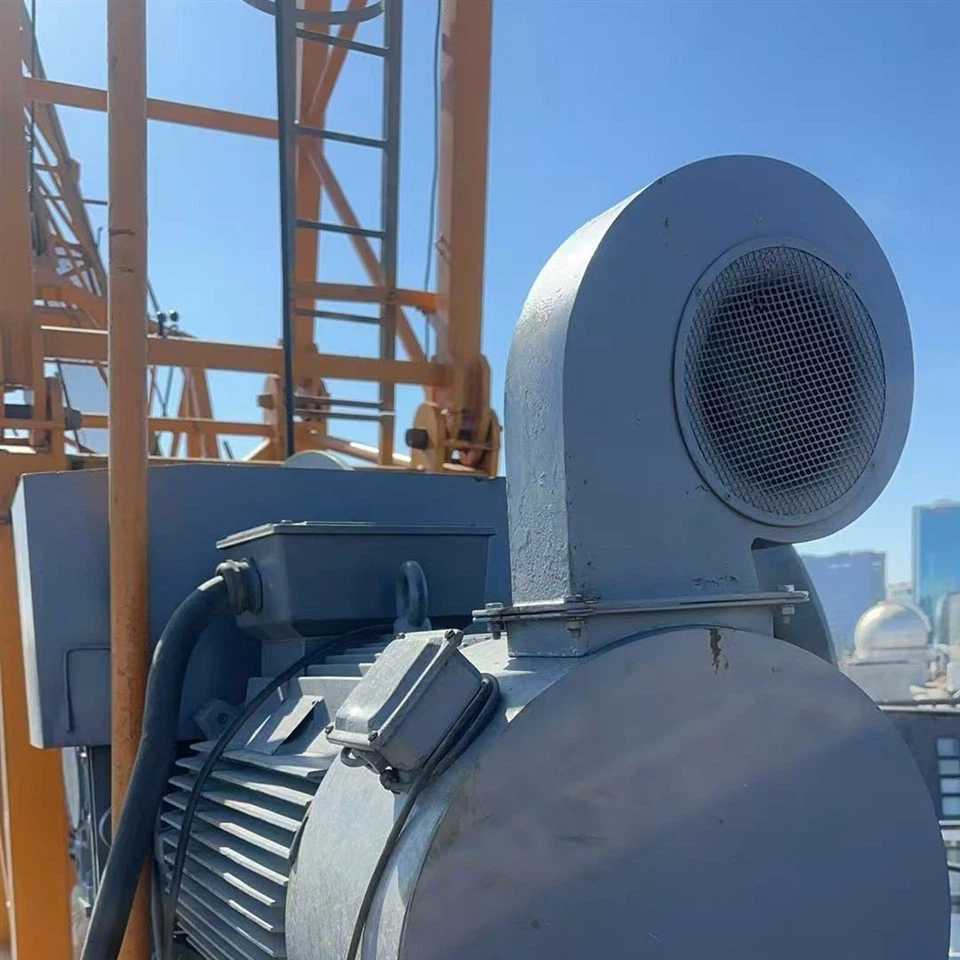

Moreover, modern heavy lift tower cranes are equipped with sophisticated control systems that also run on electricity. A power outage can disrupt these systems, potentially leading to malfunctions. If the operators can't control the crane properly, it can lead to collisions with other structures on the site or even tip - overs.
Emergency Power Solutions
One of the most common ways to deal with power outages is by having an emergency power system in place. Many of the Tower Crane for High Rise Building we supply are compatible with backup generators. These generators can kick in automatically within seconds of a power outage.
The backup generators are sized according to the power requirements of the tower crane. They need to be able to power not only the basic movement functions but also the control systems. This ensures that the crane operators can still safely lower the load to the ground and secure the crane.
Another option is the use of battery - powered emergency systems. These are becoming increasingly popular because they're more environmentally friendly and require less maintenance compared to generators. Battery systems can provide enough power to perform essential functions, like retracting the jib or lowering the hook, during a short - term power outage.
Pre - outage Preparations
But having an emergency power source isn't the only thing. We also encourage our customers to do some pre - outage preparations. Regular maintenance of the tower crane is crucial. This includes checking the electrical systems, making sure all connections are tight, and testing the emergency power systems.
We also recommend that construction site managers have a power outage plan in place. This plan should include procedures for the crane operators, such as what to do if they're in the middle of a lift when the power goes out. For example, they should know how to use the emergency controls and where the emergency stop buttons are located.
Communication During a Power Outage
Communication is key during a power outage. The crane operators need to be able to communicate with the ground crew and the site management. That's why we often recommend having a backup communication system, like two - way radios, that don't rely on the main electrical power supply.
The ground crew should also be trained to assist in case of a power outage. They can help in securing the area around the crane, making sure that no unauthorized personnel are in the vicinity. And if the load needs to be manually secured or moved, they can lend a hand under the guidance of the crane operators.
Post - outage Checks
Once the power is restored, it's not time to just start up the crane right away. There are a series of post - outage checks that need to be done. The electrical systems should be inspected for any signs of damage. This includes checking the wiring, circuit breakers, and control panels.
The mechanical components of the crane also need to be examined. The brakes, for example, need to be tested to ensure they're working properly. The load - bearing structures should also be inspected for any signs of stress that might have occurred during the power outage.
Real - world Examples
I remember one project where a Construction Building Crane we supplied was in the middle of lifting a large steel beam when there was a power outage. Thanks to the backup generator, the operators were able to slowly lower the beam to the ground safely. After the power was restored, the site team followed the post - outage checklist and found no issues. The project was able to resume with only a minor delay.
Another time, a site without a proper emergency power system had a rough time. The crane was stuck with a load in the air for hours until the power was restored. The load swayed in the wind, which made everyone on the site very nervous. It was a clear reminder of how important it is to be prepared for power outages.
Conclusion
In conclusion, power outages are an inevitable part of construction projects. But as a supplier of Potain Luffing Tower Crane, we understand the challenges they pose to heavy lift tower cranes. By having emergency power solutions, doing pre - outage preparations, ensuring good communication, and performing post - outage checks, we can minimize the impact of power outages on construction sites.
If you're thinking about purchasing a heavy lift tower crane for your next project, don't hesitate to reach out. We're here to help you choose the right crane and make sure you're fully prepared for any situation, including power outages. Let's have a chat about your needs and how we can work together to make your construction project a success.
References
- Industry standards for tower crane operations
- Construction safety manuals
- Case studies from previous construction projects


